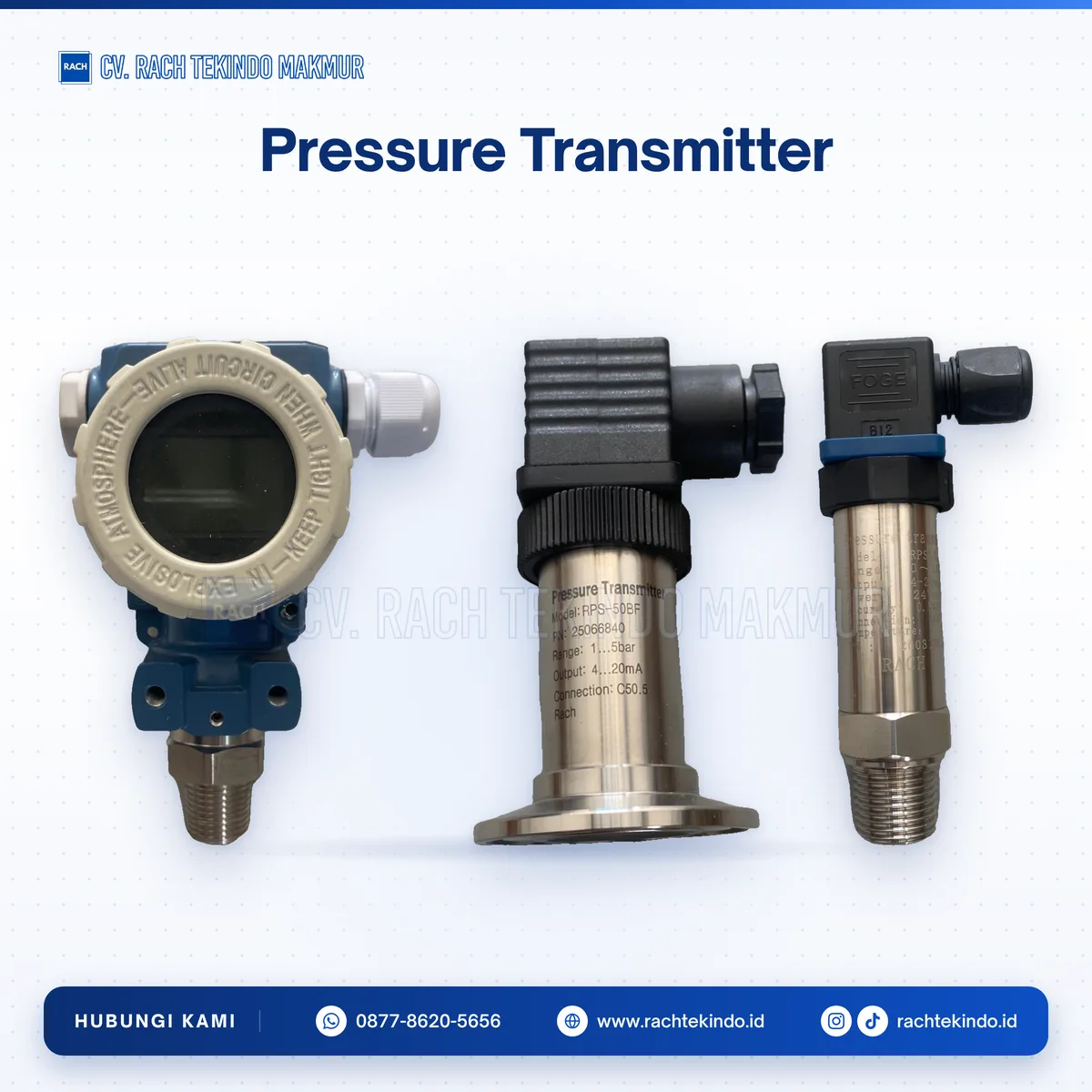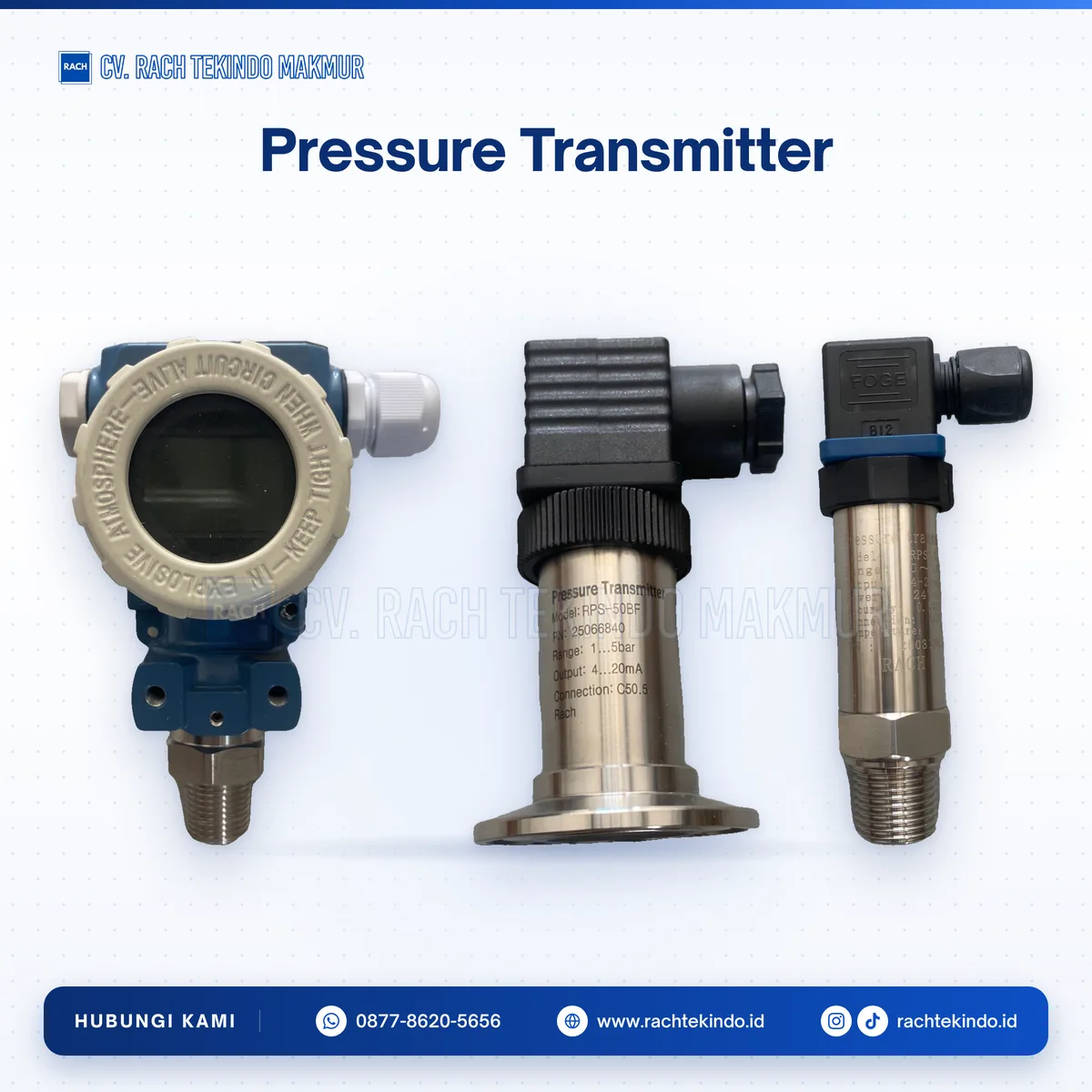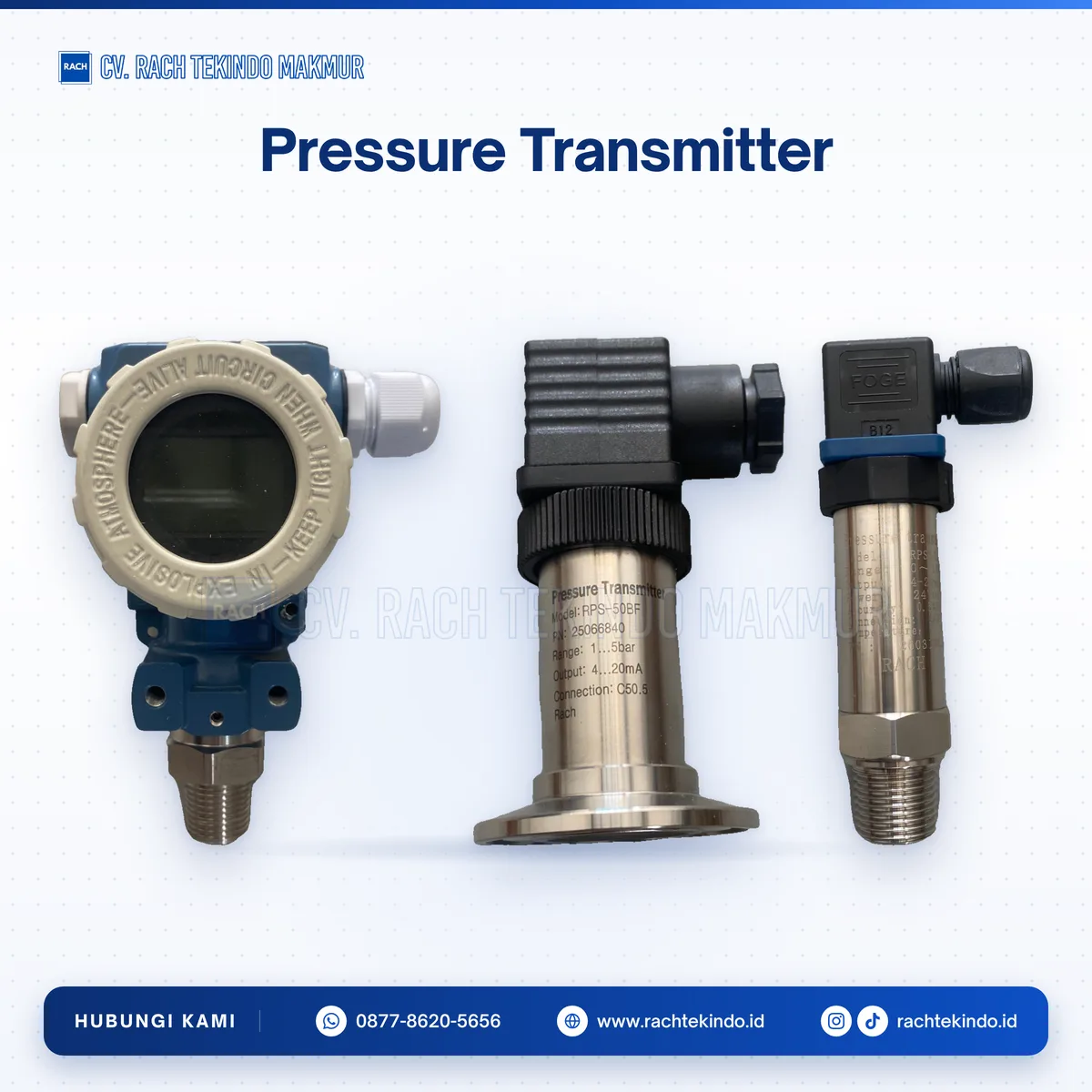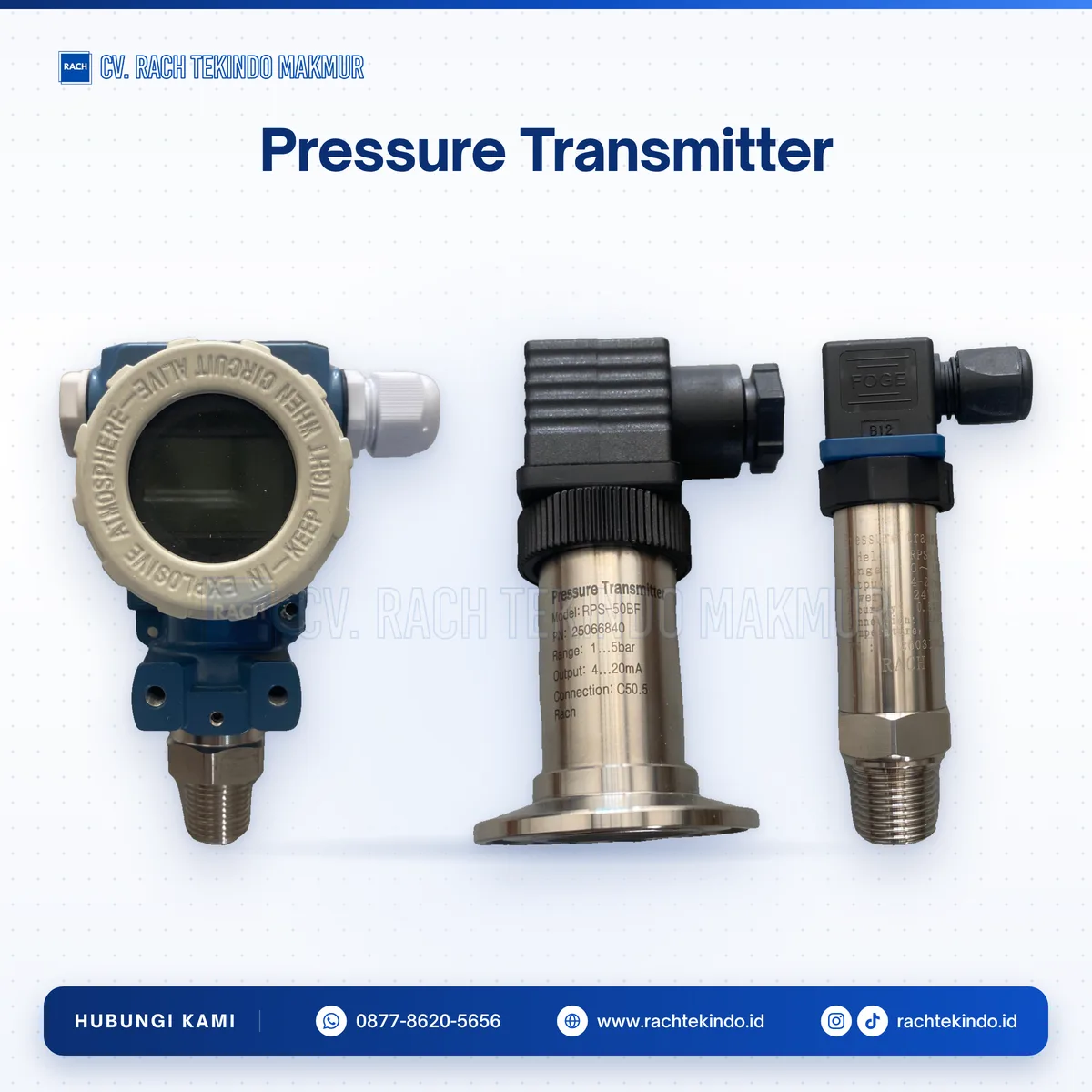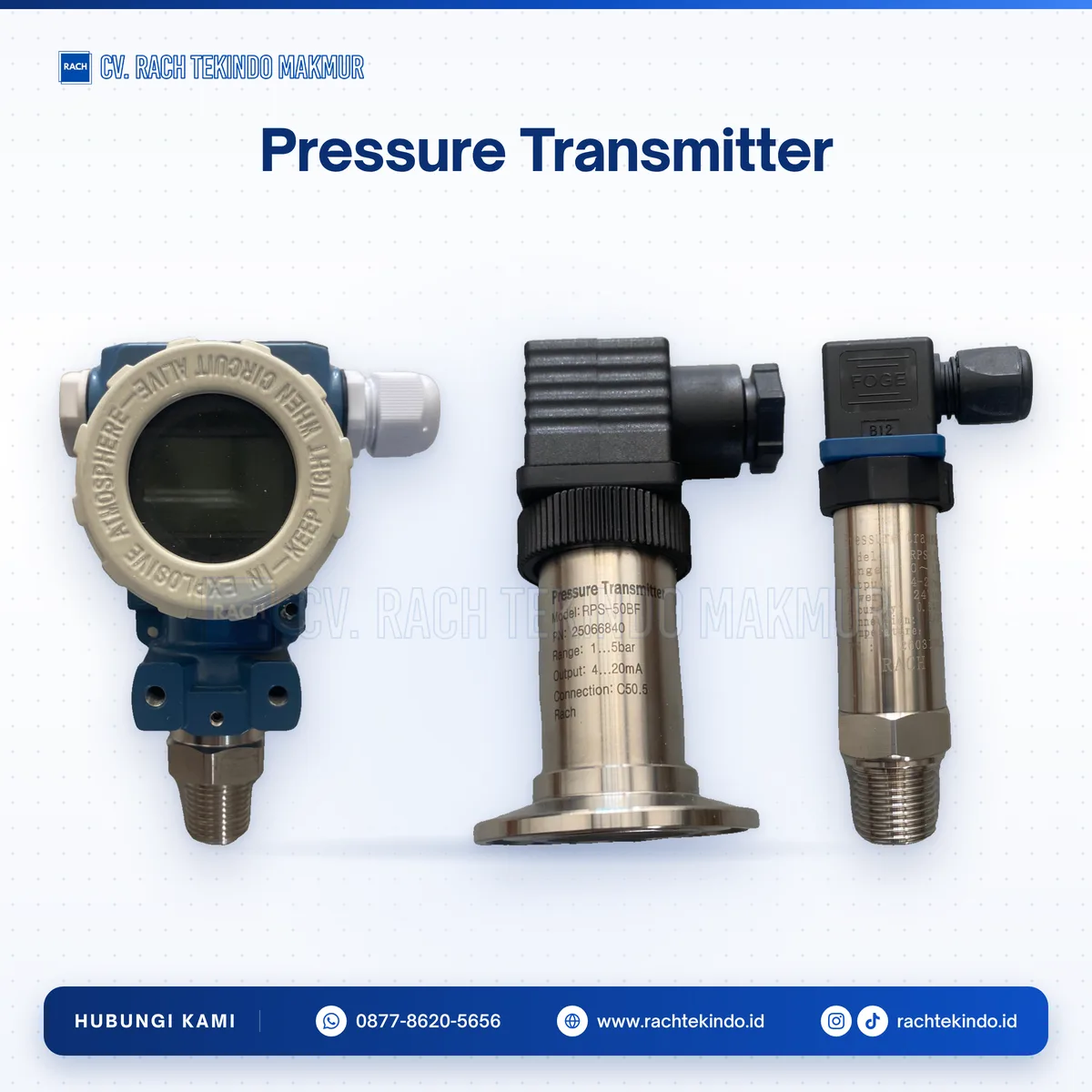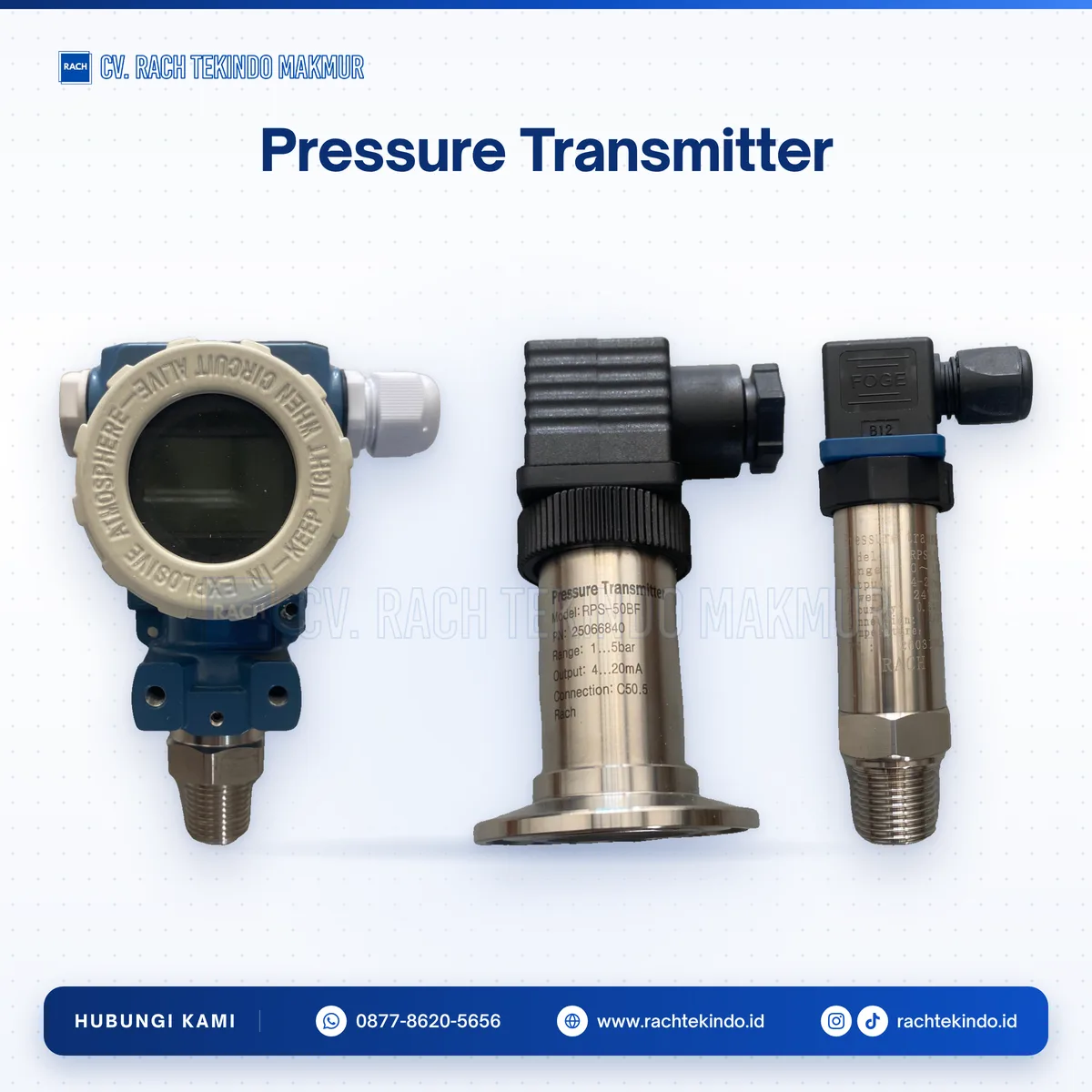
Many pressure transmitter inquiries consist of a single line: “pressure transmitter 0–10 bar, 4–20 mA.” That is not enough to be sure the unit will perform well in the field. The medium, process temperature, pressure spikes, and surrounding conditions matter as much as the pressure range. Choosing with complete data up front costs far less than replacing a transmitter that fails three months after installation.
Start with the range. Ideally, normal operating pressure sits at roughly half to three quarters of the span, leaving headroom for increases without pinning the signal at 20 mA. An oversized range hurts too, because accuracy is usually stated as a percentage of full scale (% FS). An accuracy of ±0.075% FS on a 0–100 bar range means an error of up to ±0.075 bar, while on 0–10 bar it is only ±0.0075 bar. Putting a 0–100 bar transmitter on a water line that normally runs at 4 bar simply throws resolution away.
Look at peak pressure, not just normal pressure. A pump that trips or a valve that slams shut can cause water hammer, with spikes several times the working pressure lasting a few milliseconds. Make sure the transmitter's overpressure limit is above those spikes, or add a pressure snubber to the impulse line if they happen often.
Wetted materials determine service life. 316L stainless steel wetted parts handle water, air, steam, oil, and many mild chemicals. For high-chloride media such as concentrated seawater, strong acids, or viscous media that tend to harden, check with your supplier whether 316L is adequate or a different configuration is needed. Media temperature matters as well: transmitters on steam lines are usually mounted through a siphon so the sensor is not exposed directly to hot steam.
The process connection has to match the mounting point you have. Threaded connections are common on utility piping, flanges suit high-pressure or large-bore lines, and sanitary connections are chosen in food, beverage, and pharmaceutical plants because they clean easily and leave no crevices for product to collect. Custom configurations are possible when the field mounting point is non-standard.
Next, decide on output and protection. A 4–20 mA output works with almost any PLC, HART helps when the team wants to re-range and read diagnostics remotely, and Modbus RS485 is practical for many measuring points on a single network. For outdoor or washdown locations, choose IP67. If the transmitter goes into a hazardous area with flammable gas, follow the area classification and confirm the device certification before ordering.
On price, Rach Tekindo lists pressure transmitters starting from IDR 8,000,000, with the final figure depending on specification, materials, size, pressure rating, and configuration. To get an accurate quotation, have the medium, temperature, normal and maximum pressure, pressure type, required output, process connection, and installation environment ready.
CV. Rach Tekindo Makmur supplies Pressure Transmitters for a wide range of industrial instrumentation needs. If you need pressure transmitters, differential pressure transmitters, or consultation on configuration and installation for your pressure measurement system, contact us on WhatsApp at 0877-8620-5656 to discuss your technical requirements and request a quotation tailored to your application.