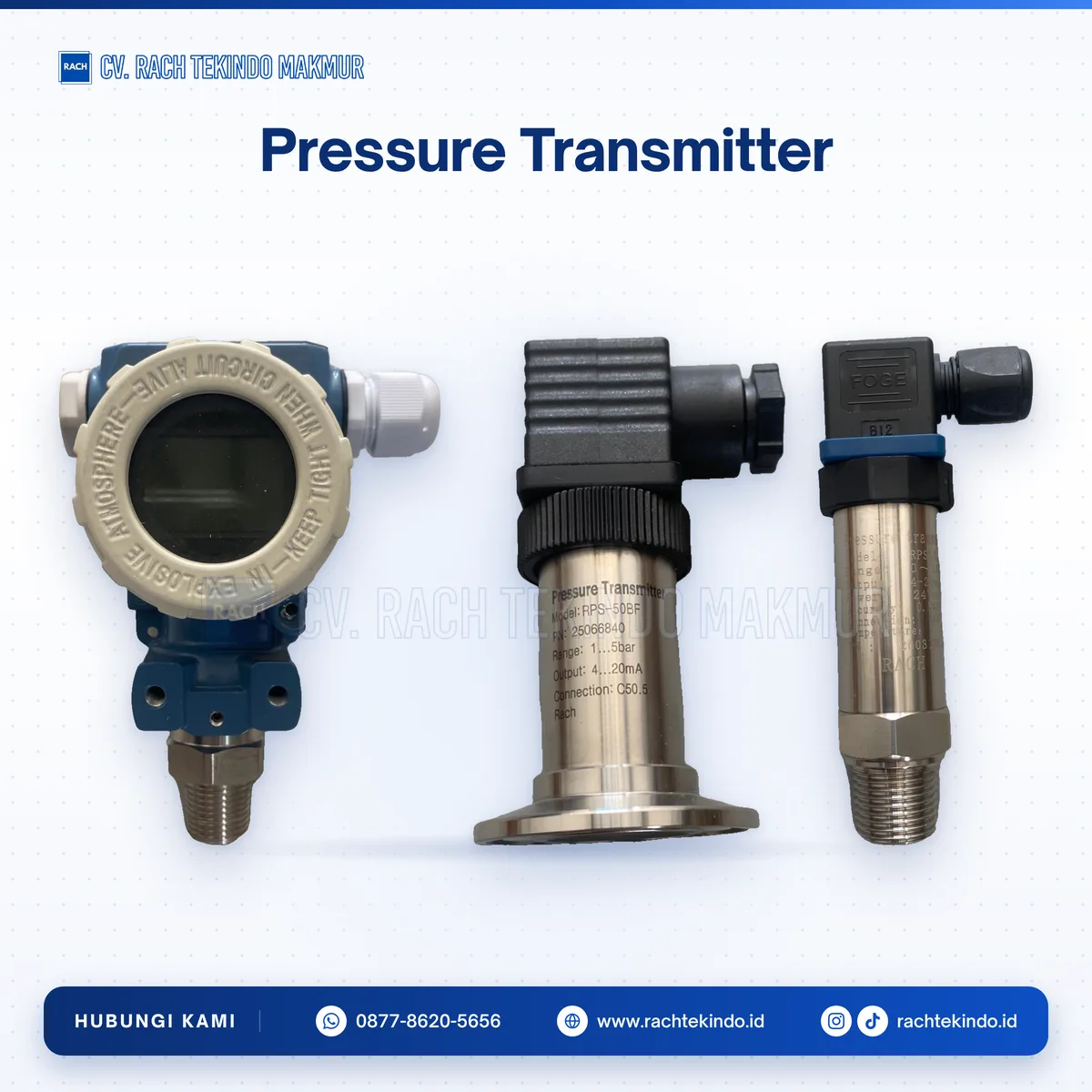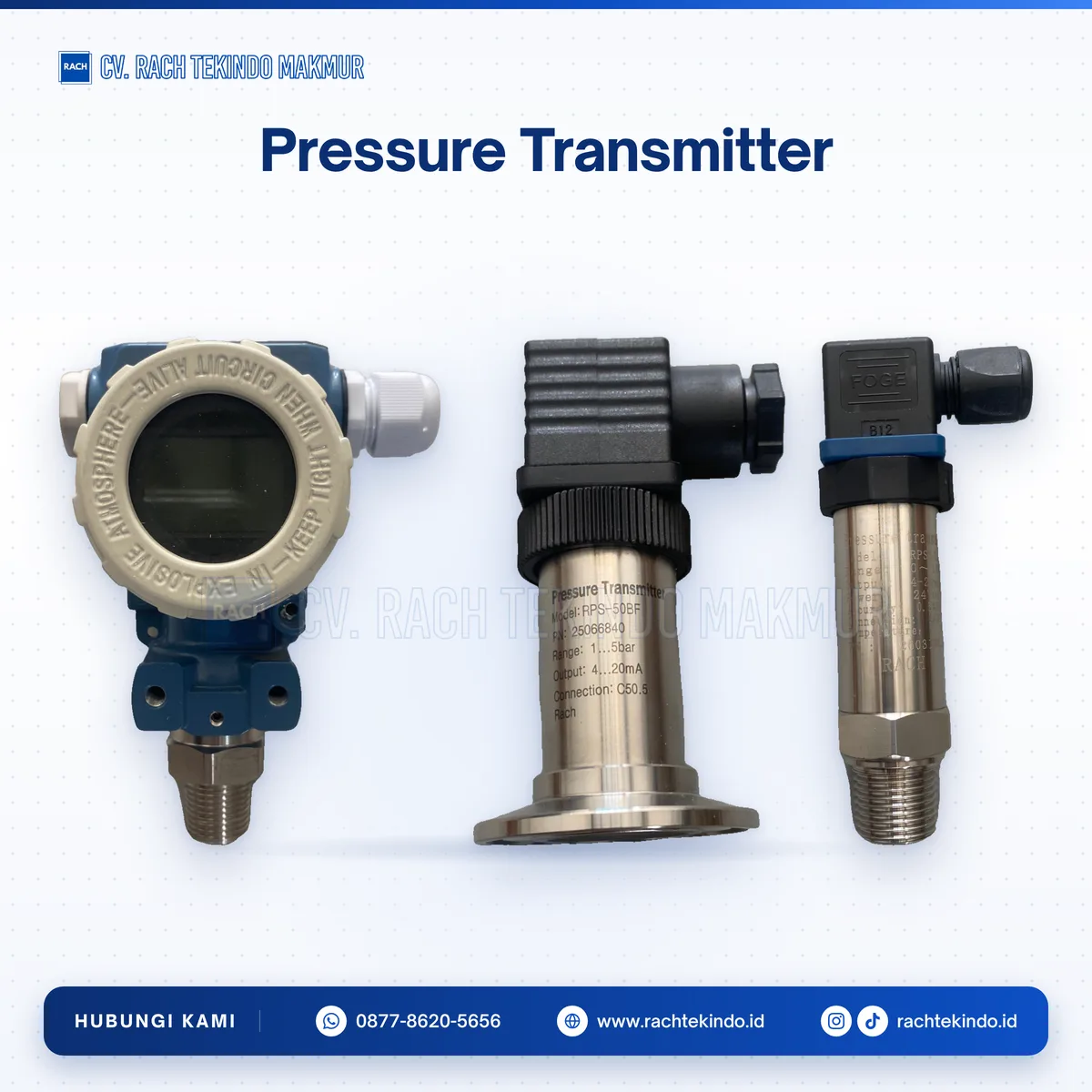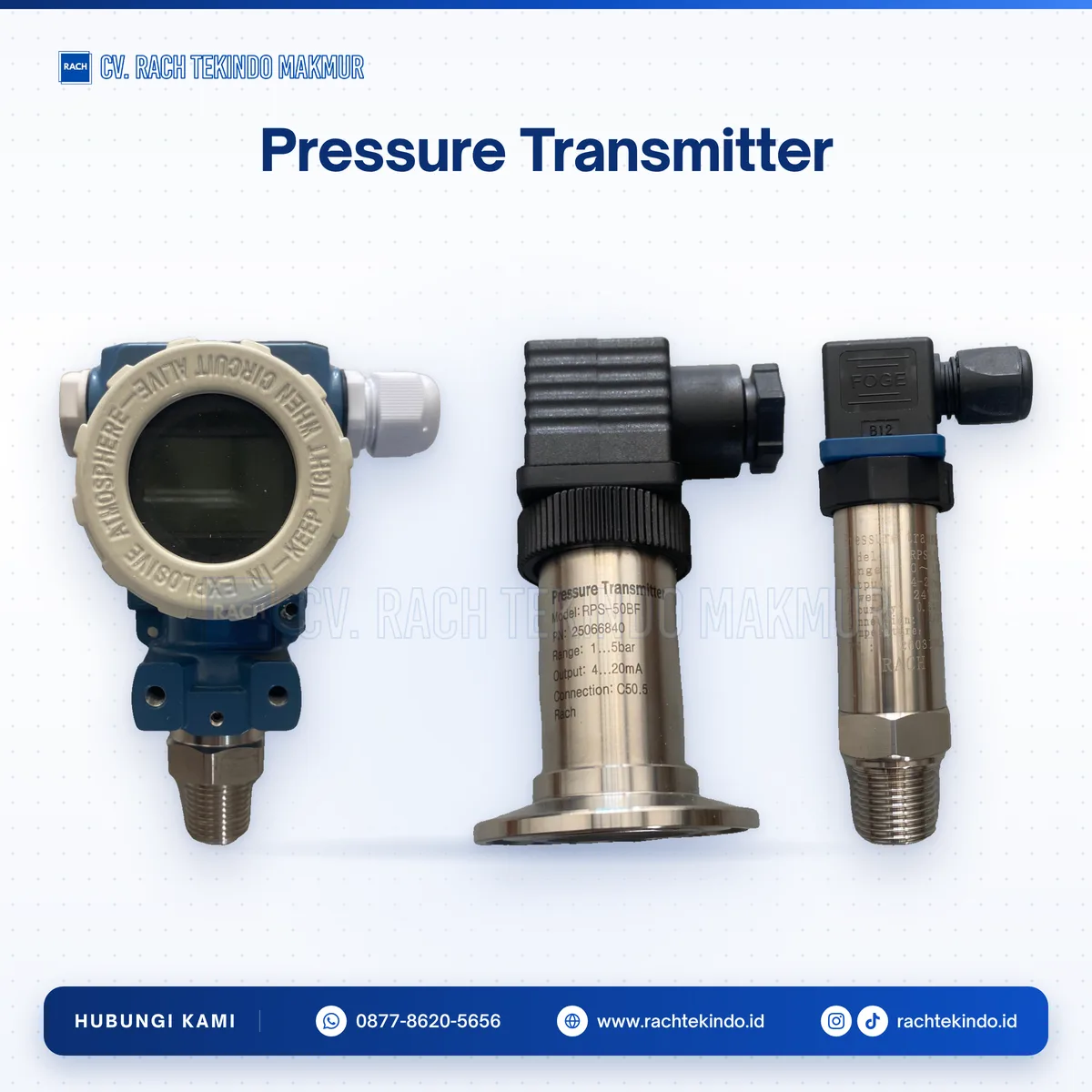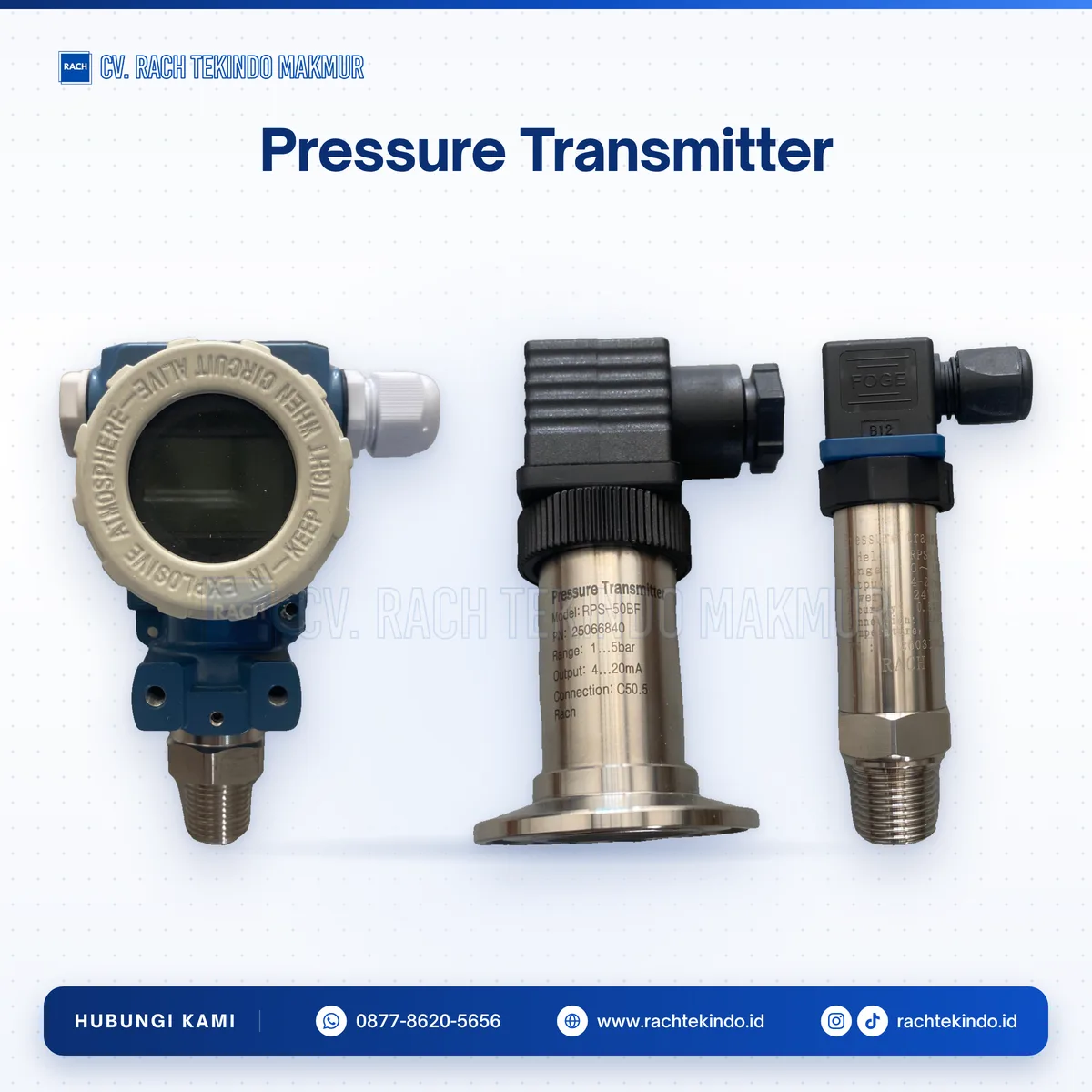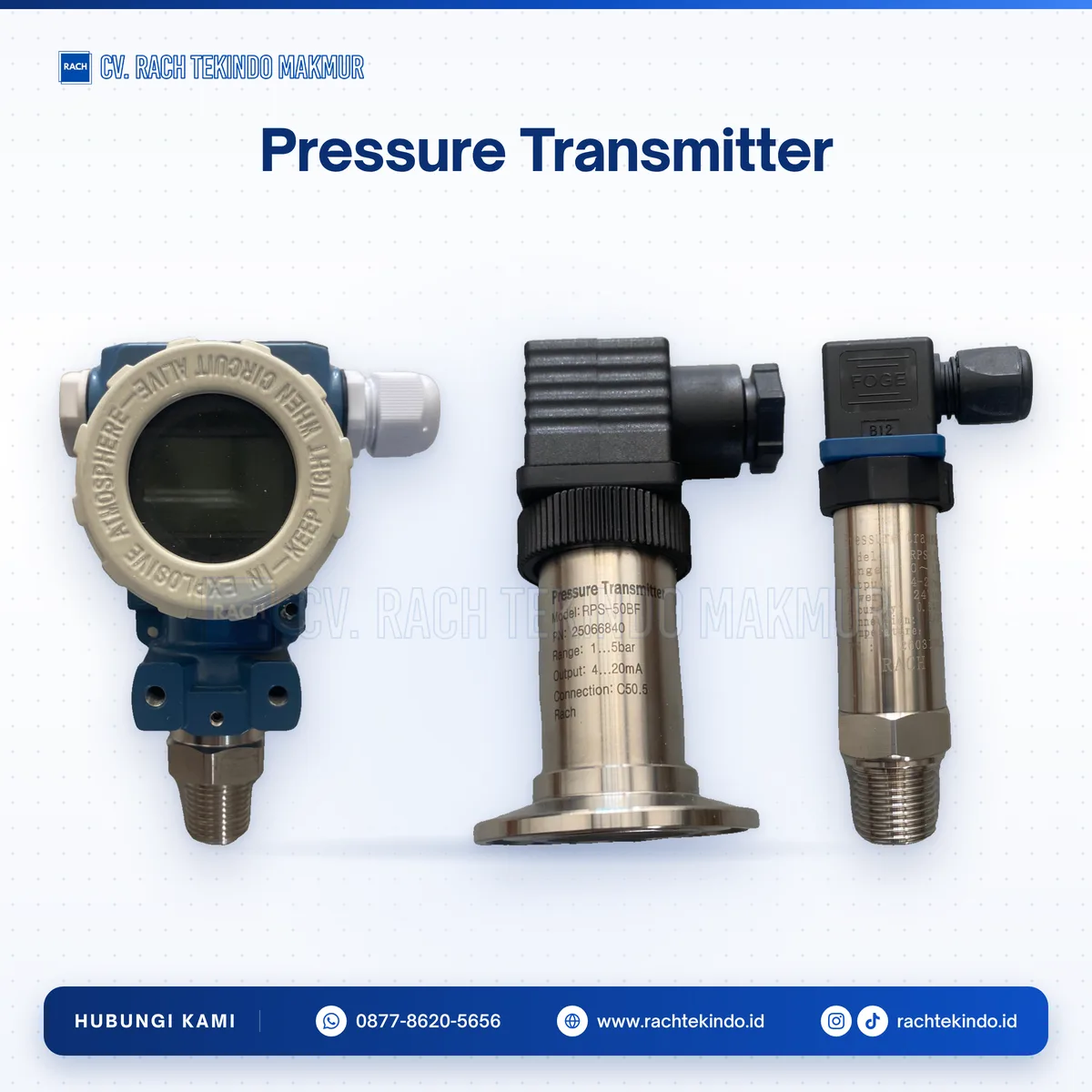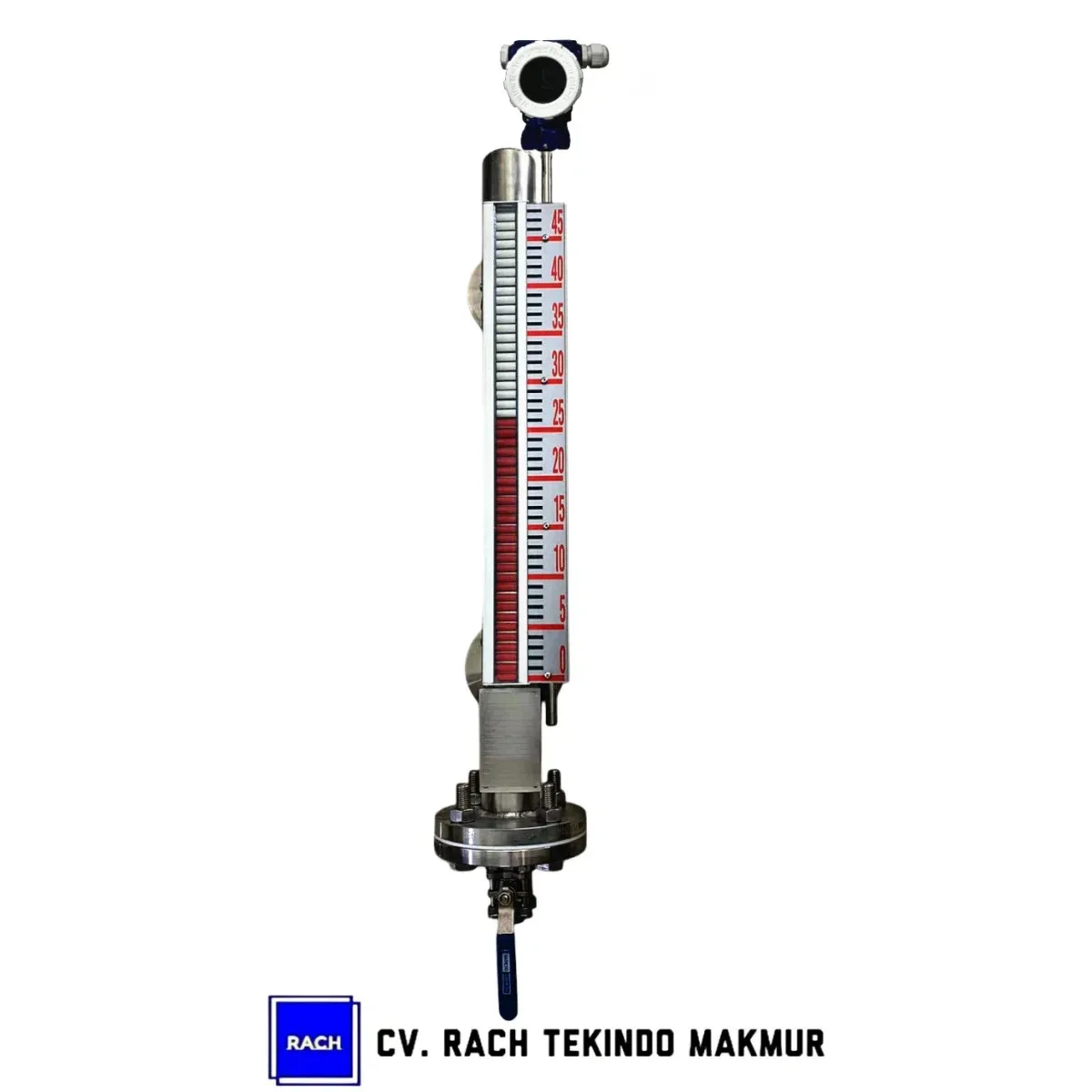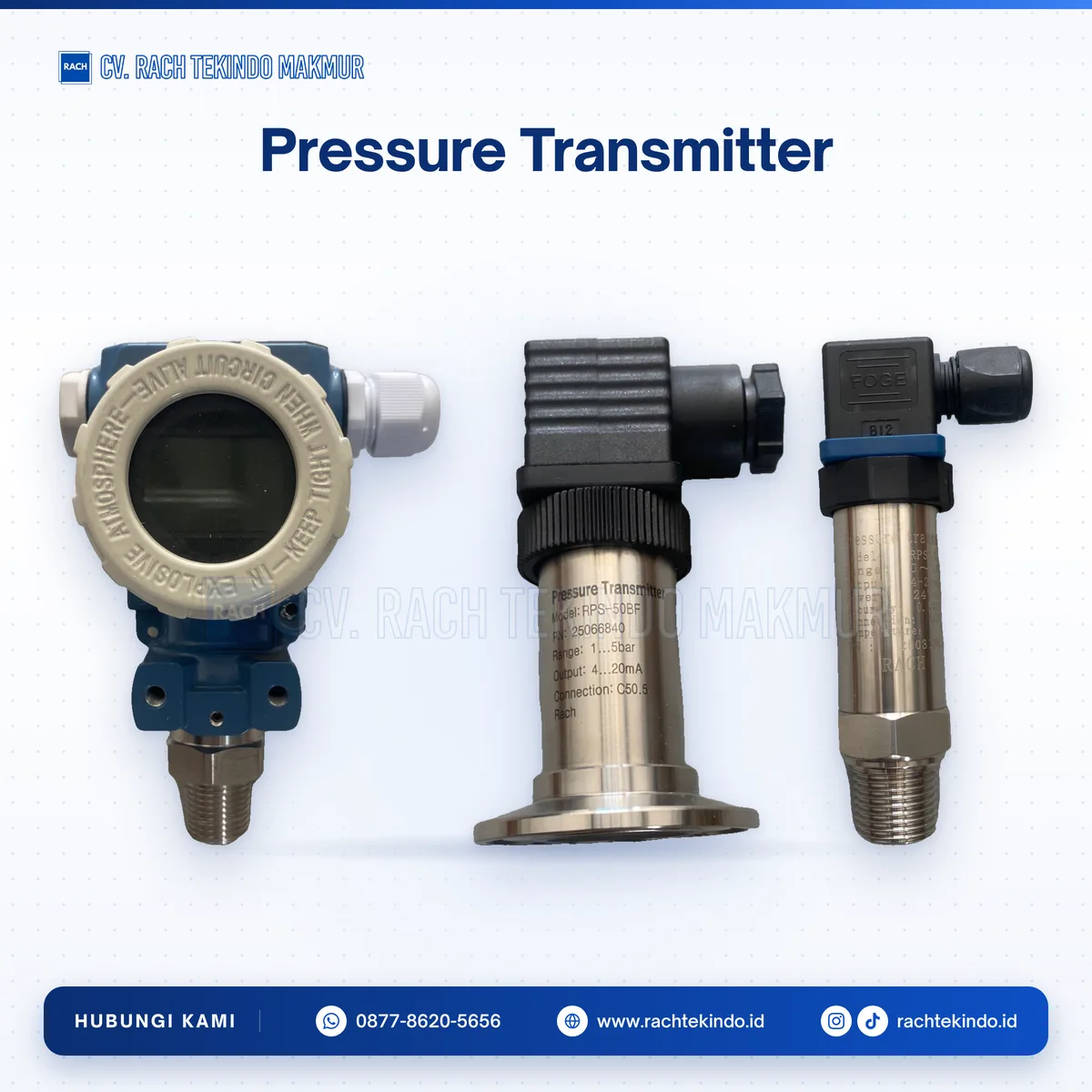
Almost every plant has pumps, pipes, and tanks, so almost every plant needs pressure measurement. What differs between industries is the medium, the risk when pressure goes off target, and the installation requirements. Looking at how pressure transmitters are used across several sectors helps you settle on the right specification for your own facility.
In water treatment and wastewater plants, pressure transmitters sit on the discharge of transfer and distribution pumps. Their signal goes to a VFD so the pump holds a constant pressure, say 4 bar, as water demand rises and falls through the day. In reverse osmosis systems, transmitters on the inlet and outlet of the membranes show the rising pressure difference that means the membranes are fouling. Sand and cartridge filters use DP transmitters to decide when to backwash or replace elements, instead of just following a calendar.
In oil and gas and petrochemicals, pressure is monitored on separators, pipelines, compressors, and storage tanks. Rising separator pressure can point to a blocked outlet valve, while a sudden pressure drop on a pipeline may signal a leak. Many measuring points in this sector are in hazardous areas, so transmitter selection must follow the area classification and use suitably certified equipment, while 316L wetted parts help with mildly corrosive media.
In power plants and industrial boiler systems, pressure transmitters read steam drum pressure, feedwater pressure, and header steam pressure. That data drives combustion and feedwater pump control and raises warnings before pressure reaches the safety valve setting. Because the medium is hot steam, transmitters are mounted through a condensate-filled siphon so the sensor only sees cooler water. DP transmitters are also used to measure water level in the steam drum.
Food, beverage, and pharmaceutical plants bring different challenges. Pressure is measured on mixing tanks, filling lines, pasteurizers, and CIP systems, but the measuring point must not become a place where product residue sits and bacteria grow. That is why sanitary connections with smooth, easy-to-clean surfaces are chosen, along with stainless steel that stands up to cleaning chemicals. Transmitters also need to stay stable through the rapid temperature change when a hot-water CIP cycle starts.
In high-rise buildings and factories, HVAC systems use pressure transmitters on chilled water loops to control pump speed, and DP transmitters to monitor room pressure differentials in cleanrooms or isolation rooms. Chemical plants use pressure transmitters on reactors, distillation columns, and dosing lines, paying close attention to material compatibility with the chemicals involved.
Across all these sectors the questions are the same: what is the medium, what are the normal and maximum pressures, what happens if the reading is wrong, and what are the conditions where the device is installed. The answers to those four questions decide the pressure type, materials, connection, and output you need.
CV. Rach Tekindo Makmur supplies Pressure Transmitters for a wide range of industrial instrumentation needs. If you need pressure transmitters, differential pressure transmitters, or consultation on configuration and installation for your pressure measurement system, contact us on WhatsApp at 0877-8620-5656 to discuss your technical requirements and request a quotation tailored to your application.