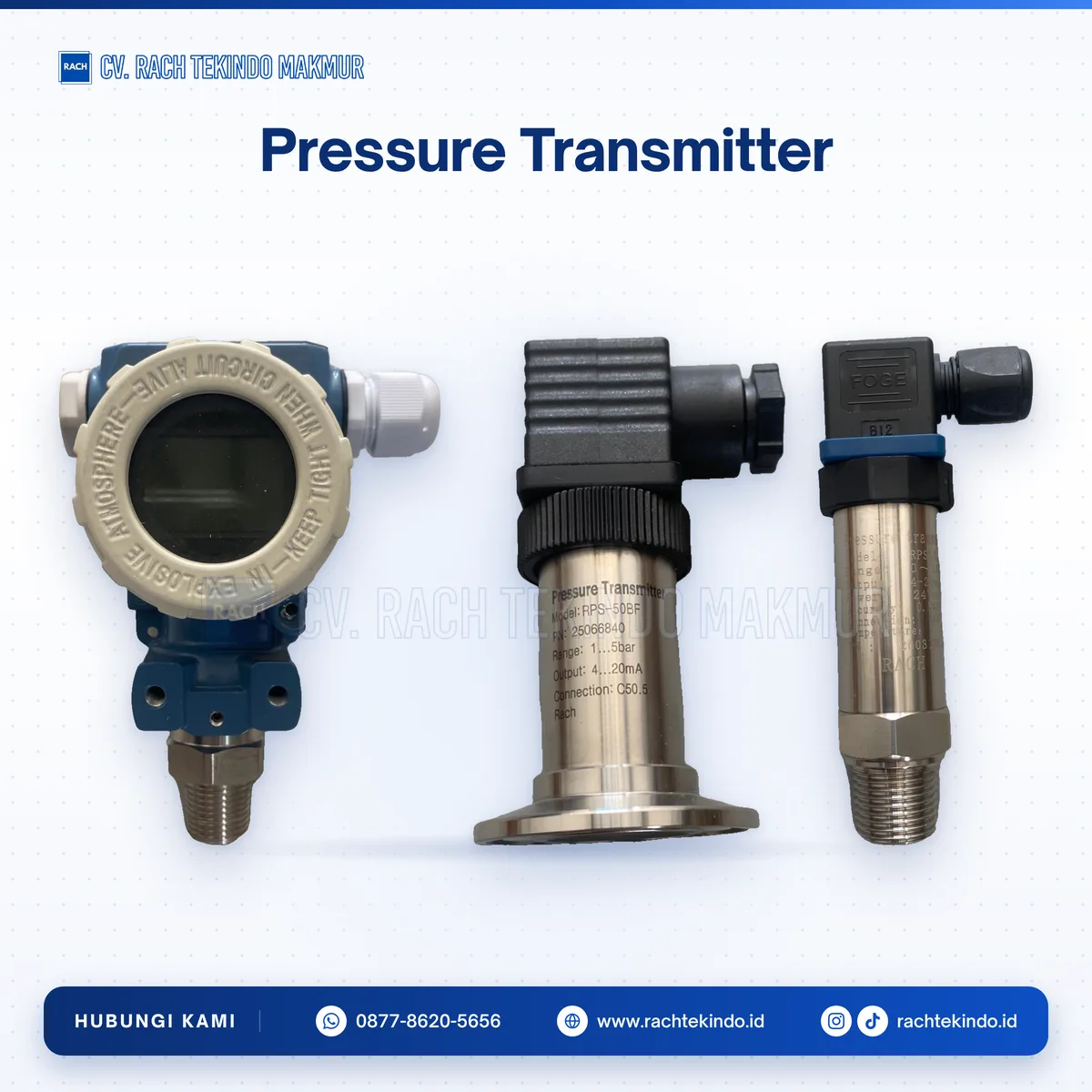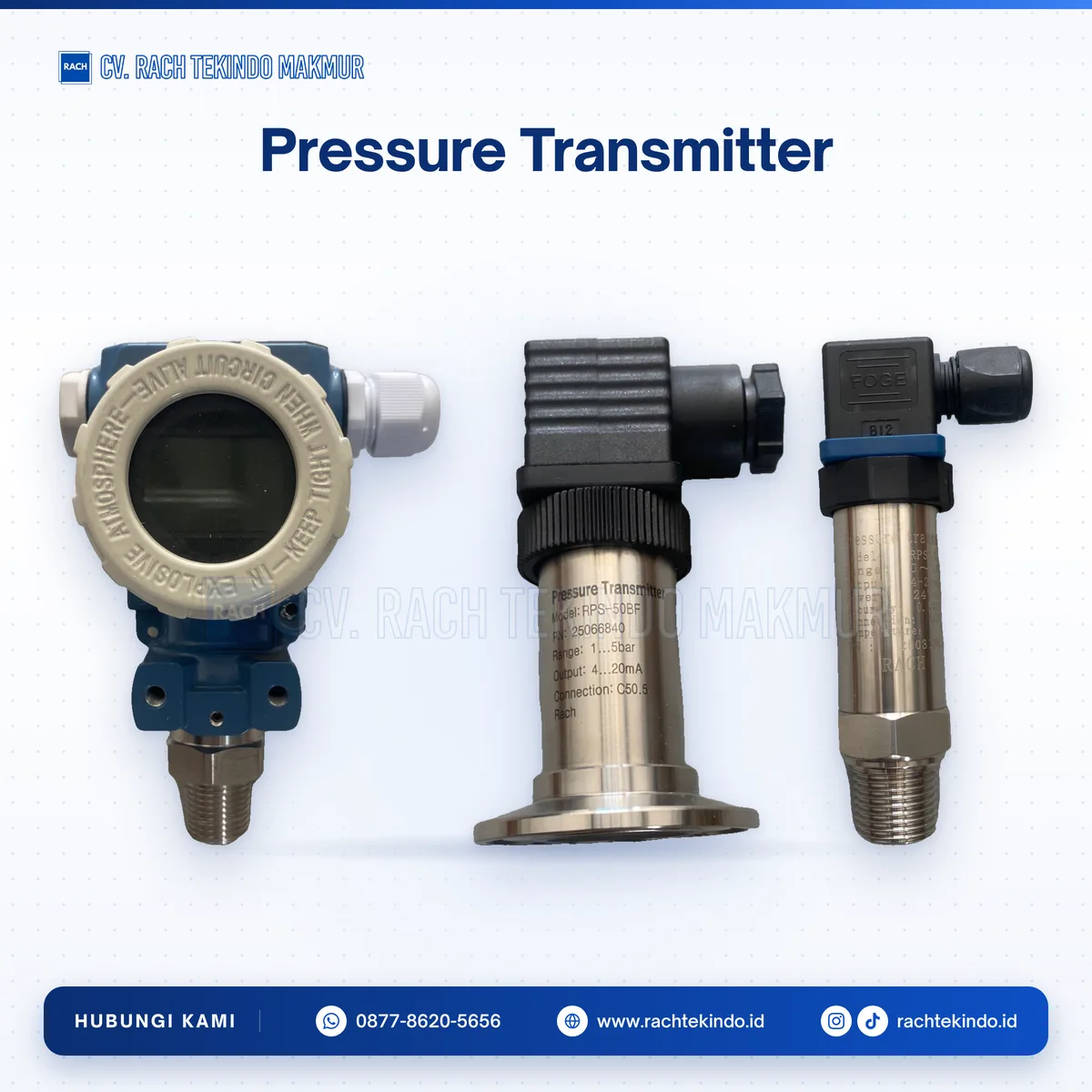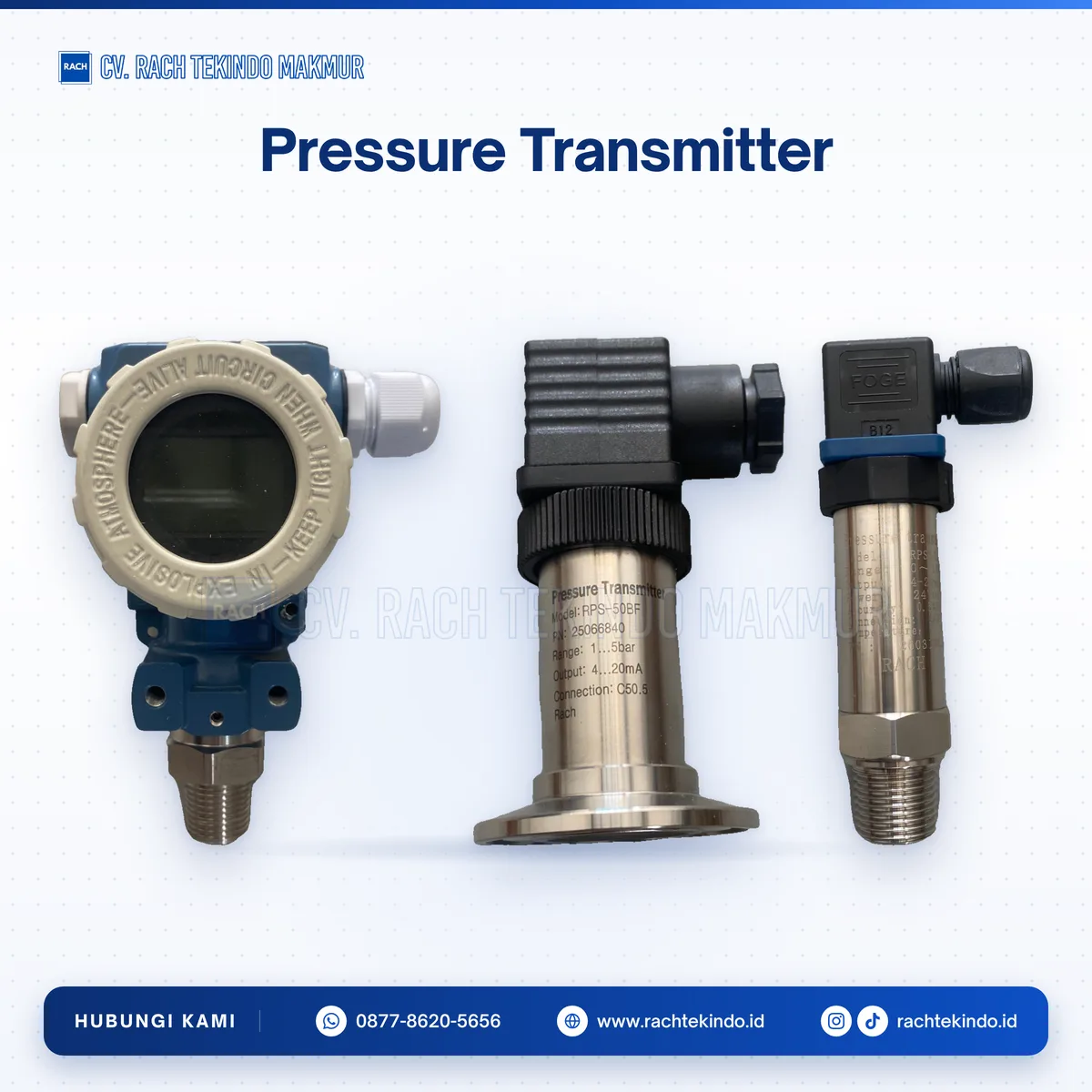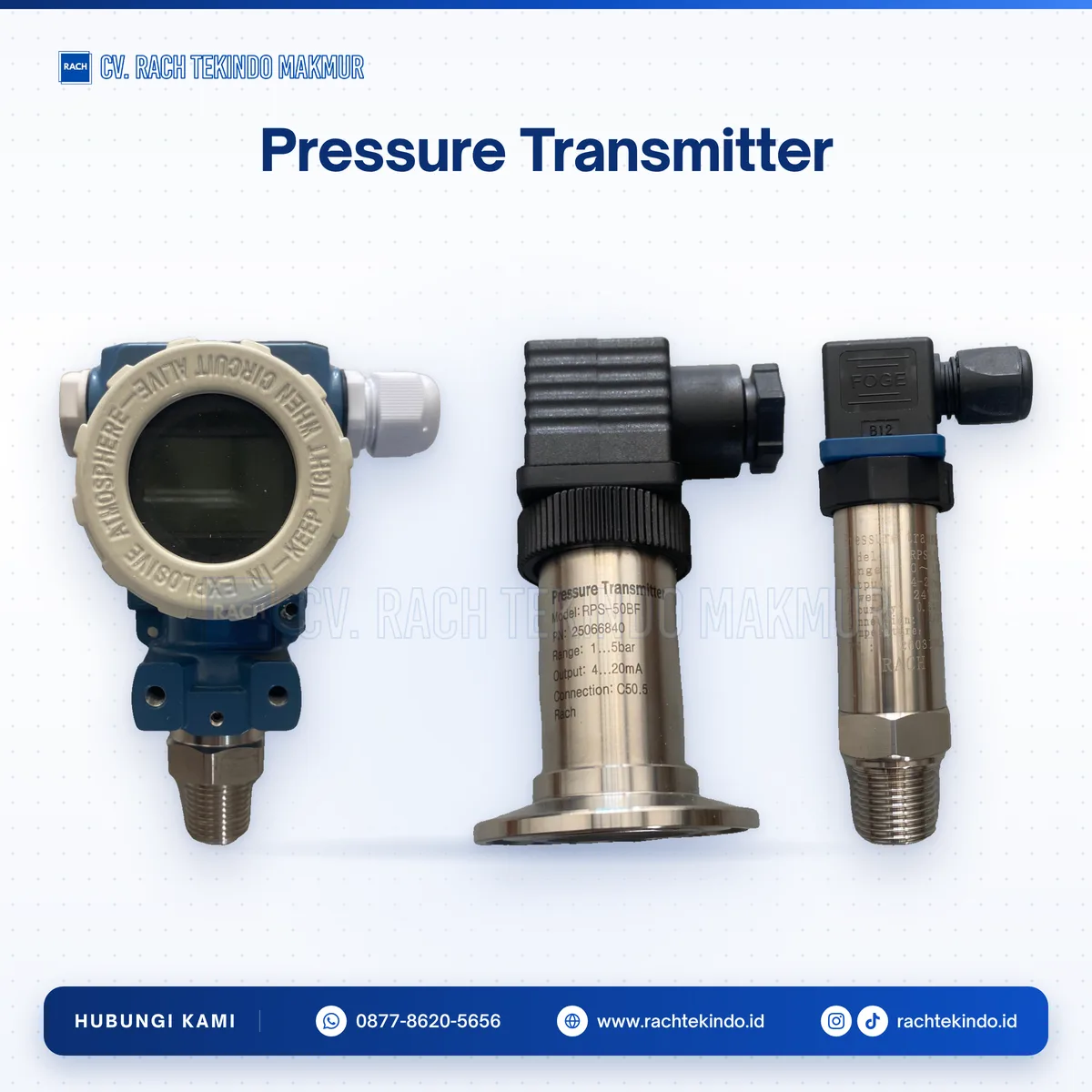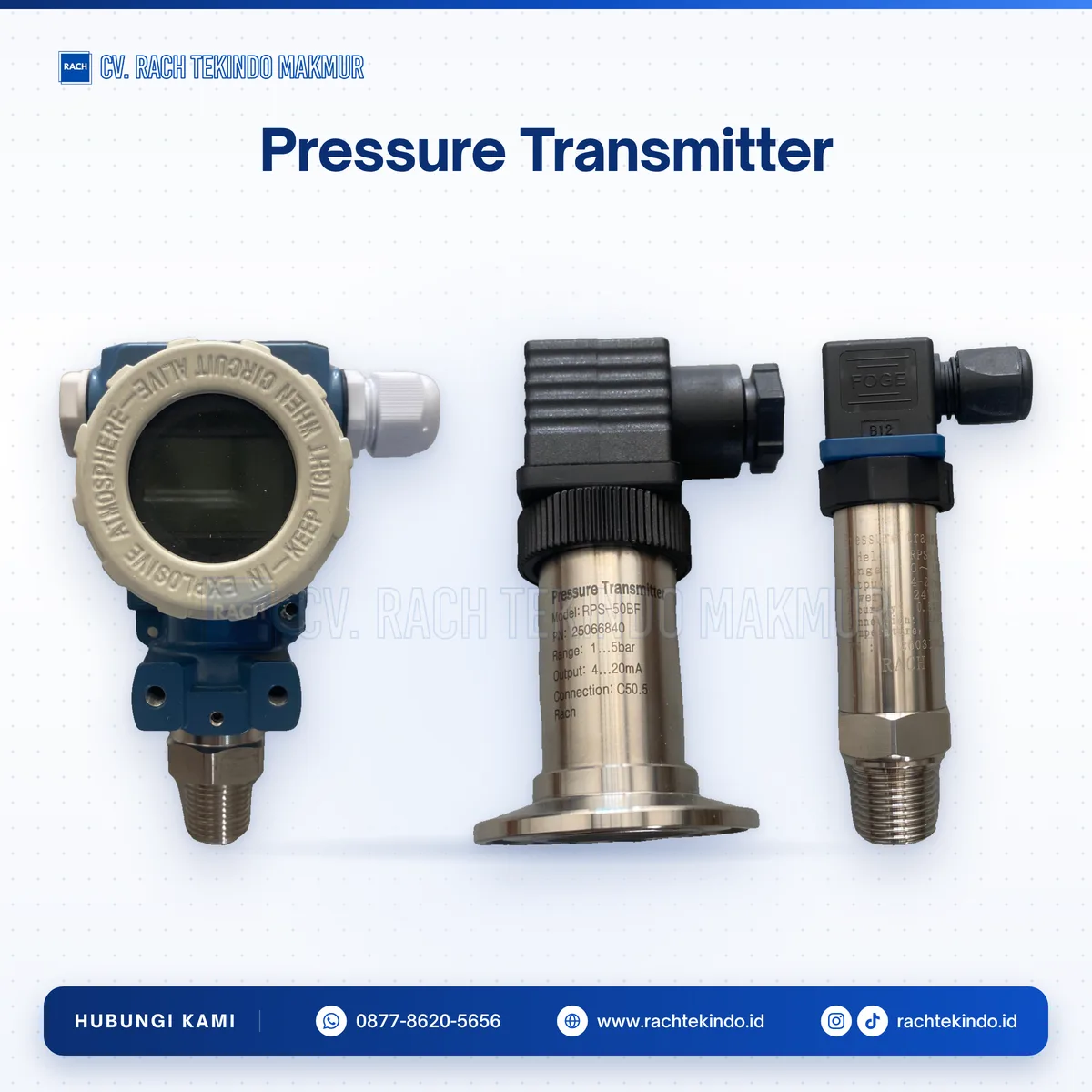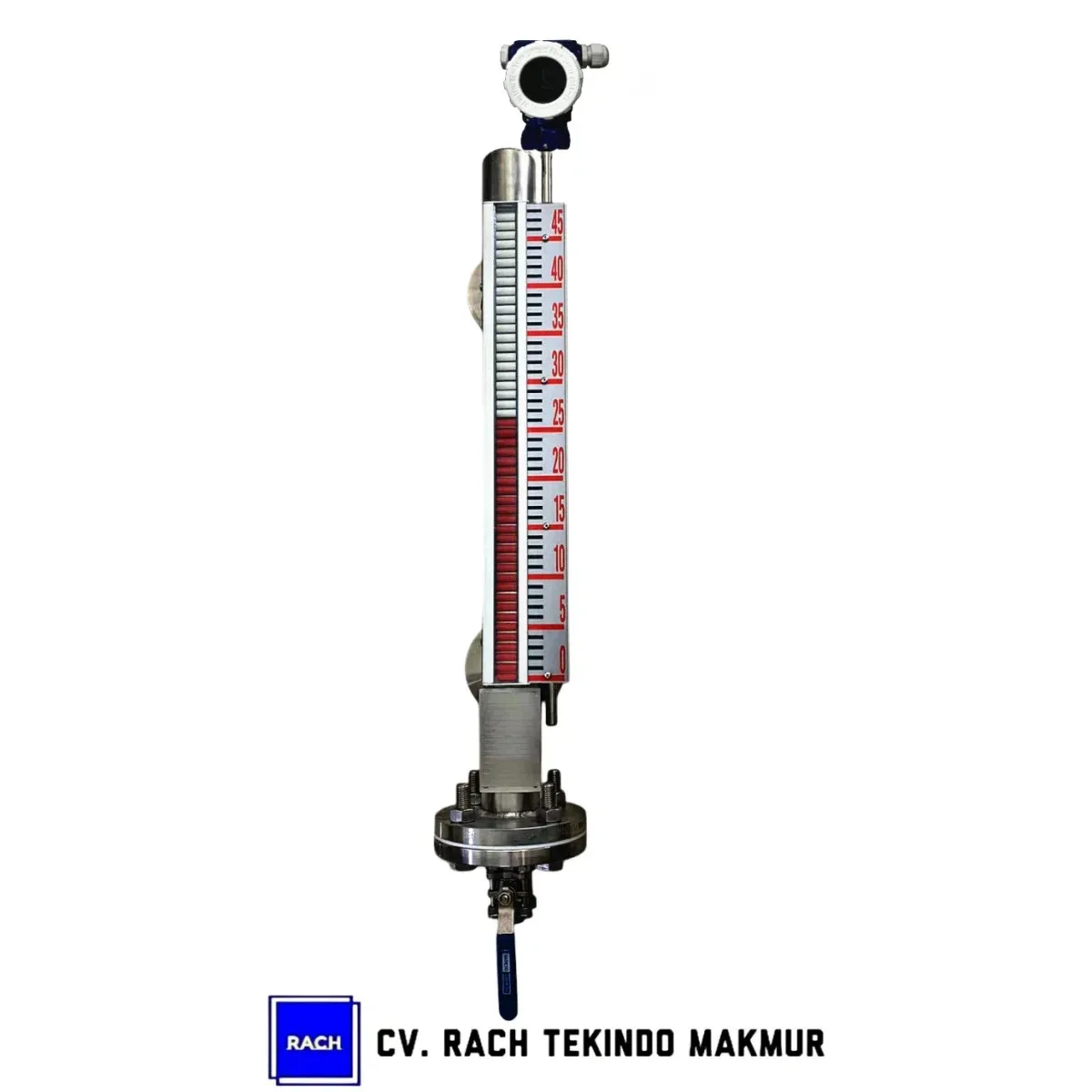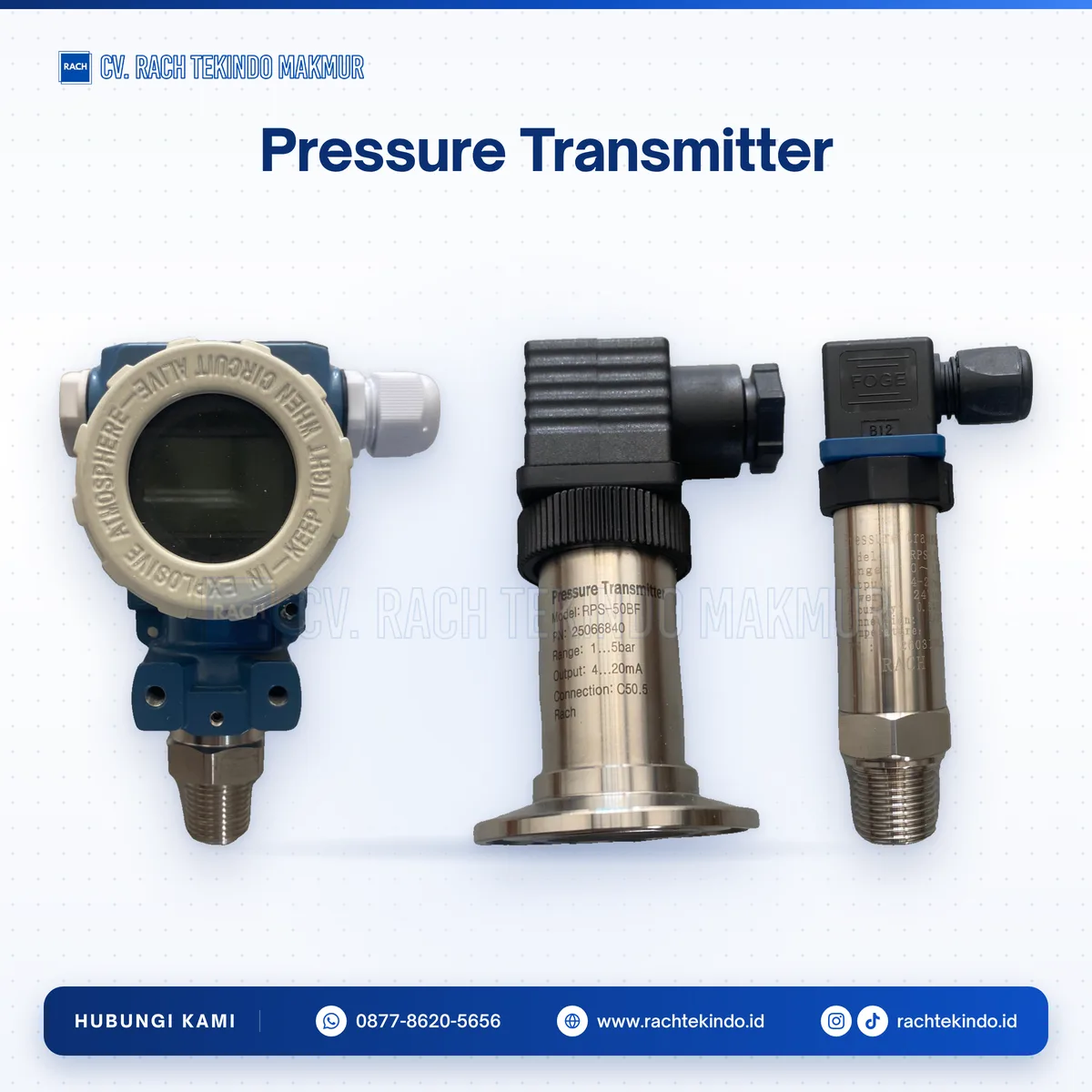
Control room operators rarely see the pipes or tanks they are responsible for. What they see is a pressure value on a SCADA screen, and that value comes from a pressure transmitter installed in the field. A pressure transmitter is an instrument that measures the pressure of liquids, gases, or steam and converts it into a standard electrical signal that a PLC, DCS, or SCADA system can read. Without one, pressure can only be checked with analog gauges that someone has to walk to and read one by one.
It starts with the sensing element. In many models, process pressure pushes against a thin 316L stainless steel diaphragm that is in direct contact with the medium. Behind the diaphragm sits a piezoresistive silicon sensor, a network of resistors whose values shift under mechanical strain. That change in resistance is tiny, so the electronics inside the transmitter amplify it, compensate for temperature effects, and turn it into an output signal proportional to the actual pressure.
The most common output is 4–20 mA. If the transmitter is ranged at 0–10 bar, 4 mA means 0 bar and 20 mA means 10 bar, with everything in between following a straight line. Putting zero at 4 mA lets the control system tell zero pressure apart from a broken wire, which reads 0 mA. Other options include 1–5 V, the HART protocol, which carries digital data on top of the analog signal, and Modbus over RS485 for linking several instruments on one communication line.
Physically, a pressure transmitter has a process connection, a sensor module, electronics, and a housing. The process connection can be threaded, flanged, or sanitary for food and pharmaceutical plants. A stainless steel housing rated IP65 or IP67 keeps dust and water spray away from the electronics, which matters for units mounted outdoors or in damp pump rooms. Supply voltage is typically 12–36 VDC, and in a two-wire loop the same pair of wires carries both power and signal.
Plants use pressure transmitters in many places. On a pump line, the transmitter feeds a VFD so distribution pressure stays steady as demand changes. On a boiler, steam pressure readings drive burner control and trigger alarms before the safety valve lifts. Across a filter, a differential pressure transmitter shows when the element is starting to clog. On an open tank, hydrostatic pressure at the bottom can even be used to calculate liquid level.
Compared with a plain pressure gauge, a transmitter gives you data that can be logged, displayed in several places at once, and used for automatic control. Accuracy of up to ±0.075% FS on certain models, combined with low drift, keeps readings trustworthy over long periods. For maintenance teams, that means fewer field trips just to write down numbers and more time for the problems that actually need attention.
CV. Rach Tekindo Makmur supplies Pressure Transmitters for a wide range of industrial instrumentation needs. If you need pressure transmitters, differential pressure transmitters, or consultation on configuration and installation for your pressure measurement system, contact us on WhatsApp at 0877-8620-5656 to discuss your technical requirements and request a quotation tailored to your application.