Selecting the right Capacitance Level Switch involves more than comparing prices or product specifications. Every industrial application has different process conditions, media characteristics, and control requirements. Choosing the wrong sensor may lead to unstable switching, false alarms, unnecessary downtime, and increased maintenance costs.
The first factor to consider is the process media. Capacitance Level Switches are suitable for water, oil, chemicals, slurry, powders, granular materials, cement, and many other industrial products. Since every medium has different electrical properties, the sensor sensitivity should match the application to ensure reliable operation.
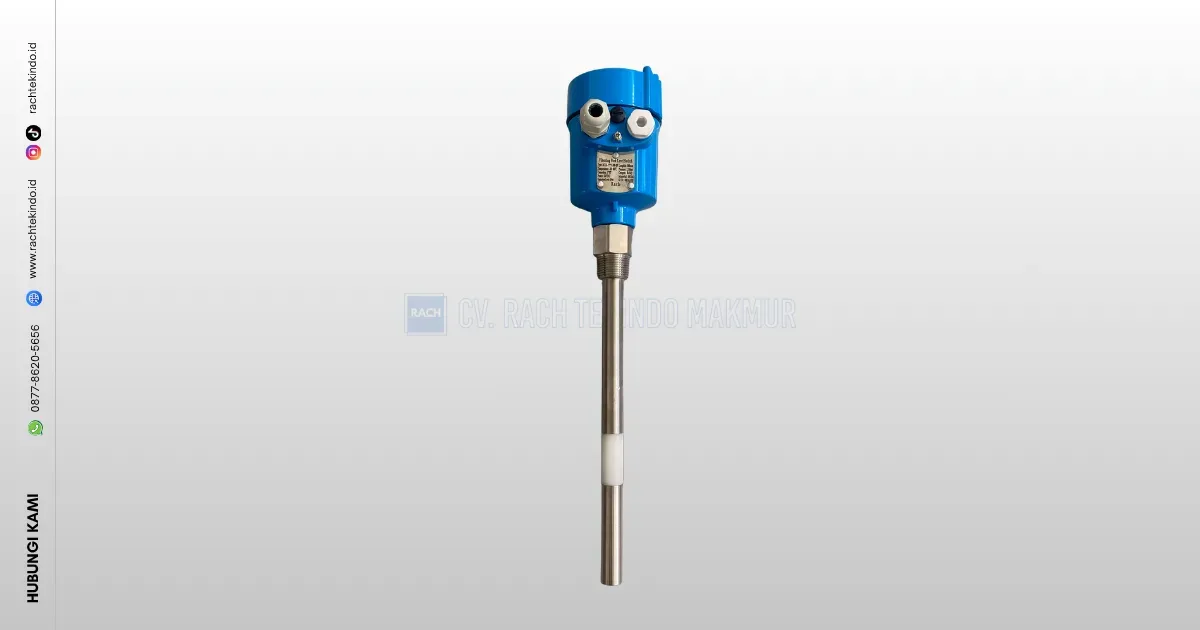
The second factor is the probe material. Corrosive applications often require stainless steel or PTFE-coated probes to improve chemical resistance and extend service life. Selecting the proper material helps reduce maintenance and improves long-term reliability.
Another important consideration is the tank design and installation method. Depending on the application, the switch may be mounted from the top or side of the vessel. Tank geometry, agitators, and installation space should also be evaluated to achieve the best sensing performance.
The fourth factor is the output signal. Traditional control panels may require DPDT relay outputs, while modern PLC systems often use NPN or PNP transistor outputs. Choosing the correct output simplifies installation and integration.
Finally, always evaluate the operating environment, including pressure, temperature, and hazardous area requirements. Selecting a Capacitance Level Switch with the proper specifications ensures reliable operation and long service life even in demanding industrial conditions.
CV. Rach Tekindo Makmur supplies Capacitance Level Switch Model RCLS for a wide range of industrial applications throughout Indonesia. We provide technical consultation, product selection, and customized specifications based on process media, installation method, probe material, and output requirements. For technical assistance or a quotation, contact our team via WhatsApp +62 877-8620-5656. We are ready to help you find the most suitable level measurement solution for your project.