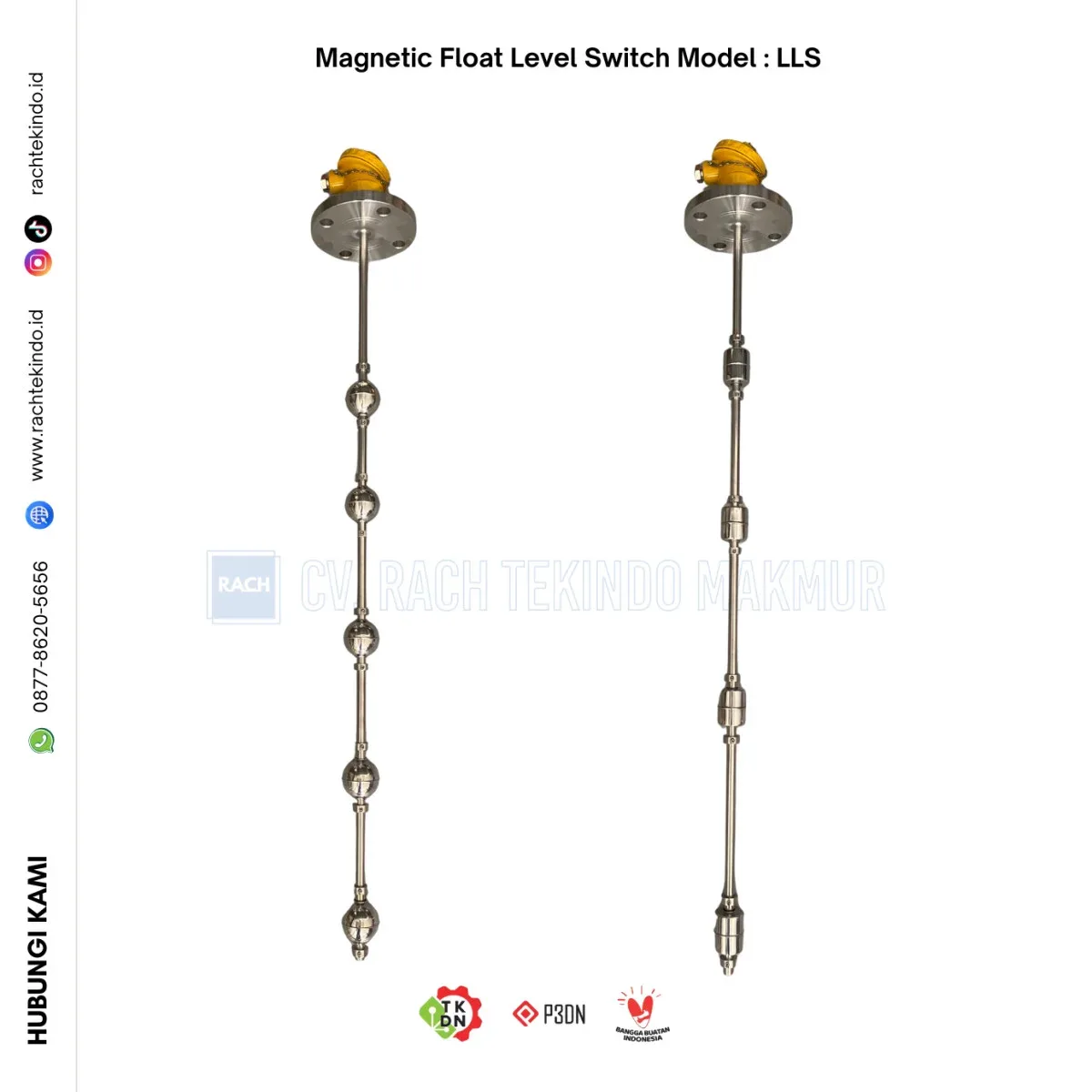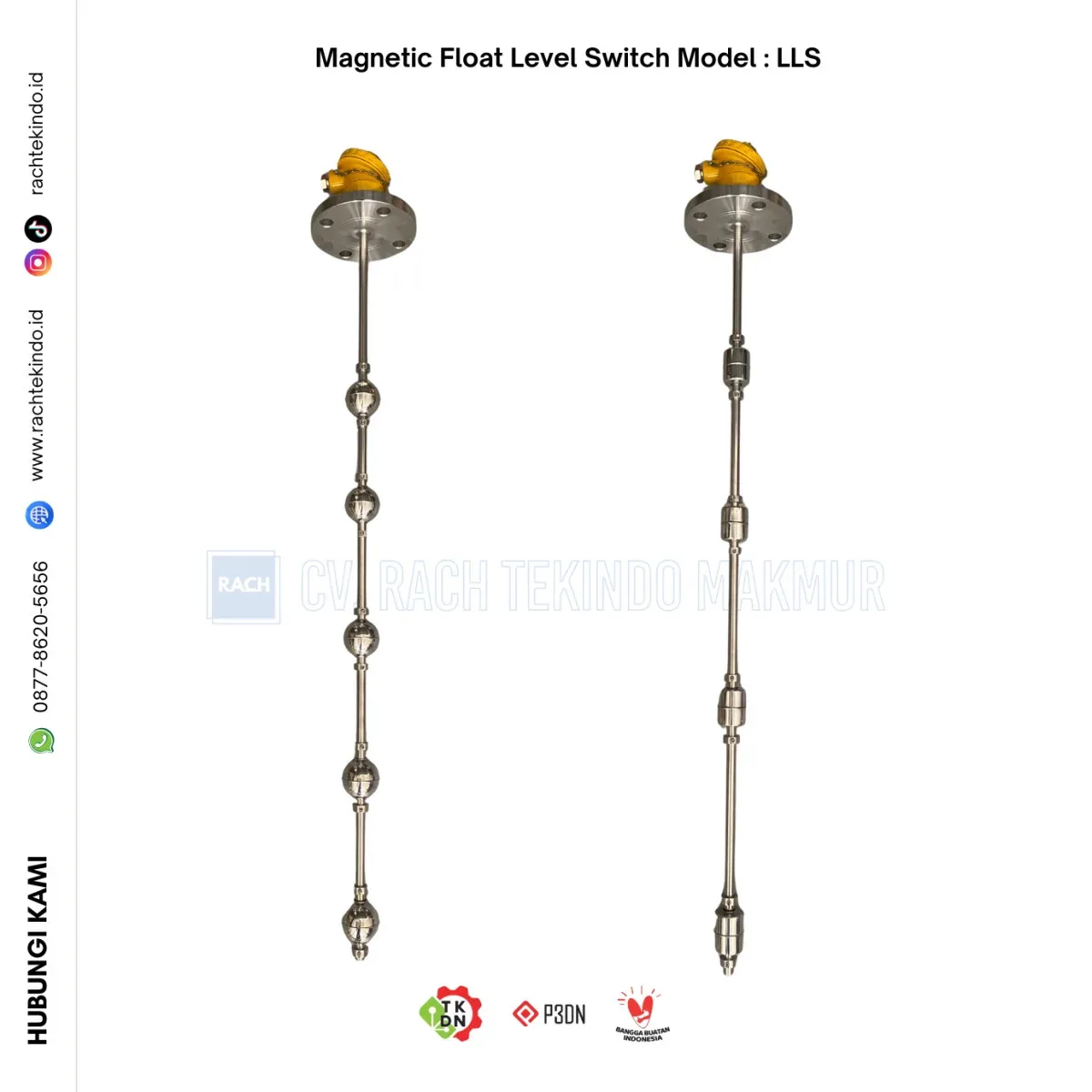
How to Select a Magnetic Float Level Switch Model LLS
By Admin
Read more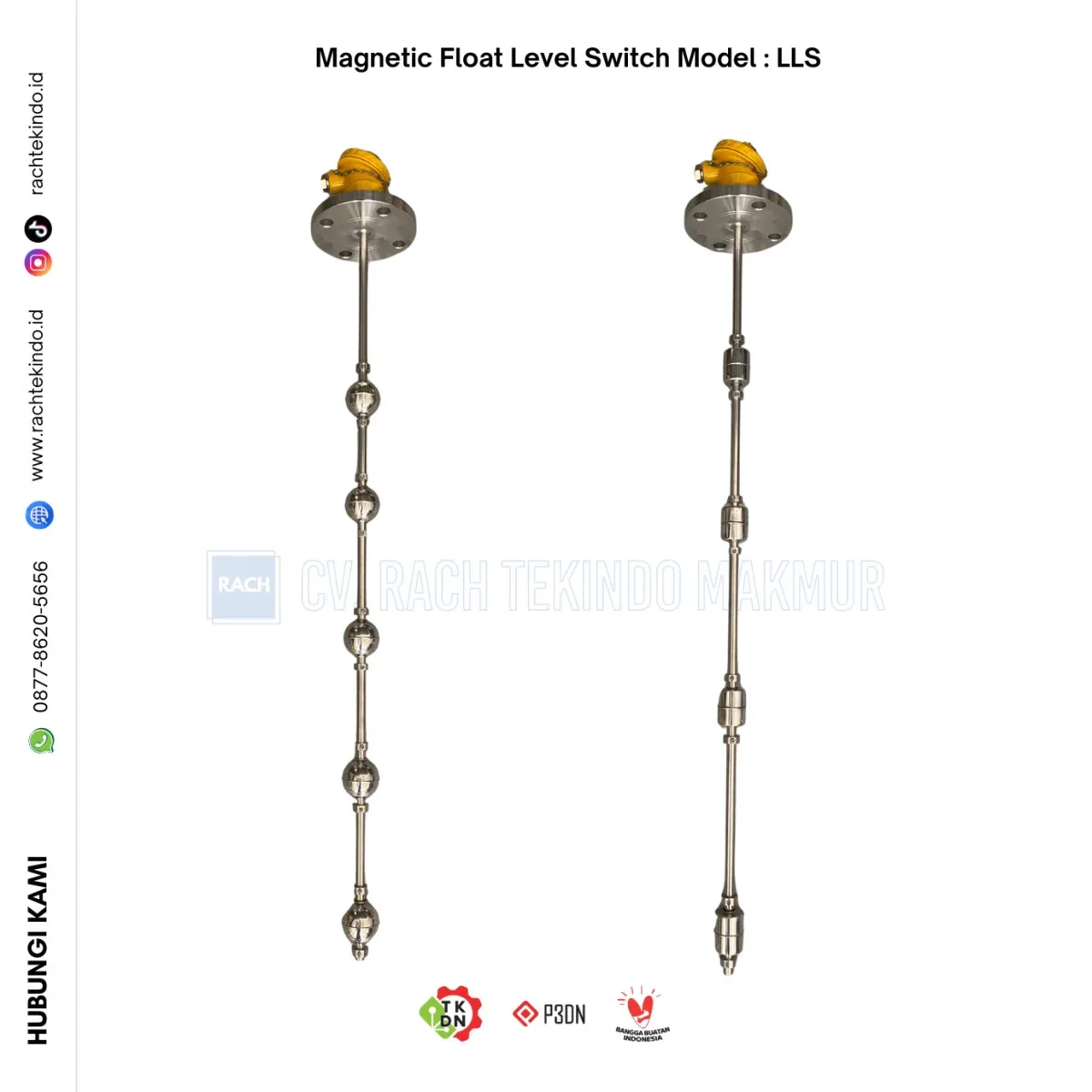
Industrial storage tanks do more than hold liquid. They often connect an incoming supply with a production process that requires a steady flow. As filling and consumption change the liquid level, the control system needs signals that identify when action is required. The Magnetic Float Level Switch LLS can provide these signals at specified operating limits.
A common example is an automatic tank filling arrangement. In a suitable control design, a lower switching point can request filling, while an upper switching point signals that filling should stop. The control panel processes these inputs and operates the associated equipment. This reduces reliance on visual inspection as the only way to determine whether the tank needs additional liquid.
The same principle can support a tank supplying a transfer pump. A low level signal may trigger an operator warning or act as an input to a pump shutdown interlock. This can help reduce the risk of operating with an insufficient liquid supply. The effectiveness of this function depends on the complete design, including sensor location, wiring, control logic, and equipment response.
The Magnetic Float Level Switch Model LLS is available with up to eight detection points, depending on configuration. This allows different thresholds to be assigned to operating and alarm functions. For example, a tank could use separate points for a low level condition, filling start, filling stop, and a high level warning. These are application examples; the actual arrangement must be matched to the process and available instrument design.
The distance between filling start and stop points deserves attention. If the thresholds are too close together, small changes in liquid level may cause frequent pump cycling. The operating range should account for tank capacity, filling rate, liquid consumption, and the pump's operating requirements. The level switch supplies the signals, while the control design determines how the equipment responds.
In water treatment facilities, point level switches can be considered for raw water tanks, holding tanks, and supporting process vessels. Oil and chemical applications require closer review of the liquid properties and wetted materials. Liquids that form deposits or interfere with float movement need specific evaluation before a float based instrument is selected.
SPST and SPDT contact options allow the Model LLS to be considered for different control circuits. However, a contact output should not automatically be treated as suitable for directly switching a pump motor. The electrical load must be checked against the selected contact rating. An interposing relay, contactor, or PLC input may be needed, depending on the circuit design.
Installation conditions also influence reliable operation. The float needs adequate clearance, and its location should account for incoming flow and turbulence. Maintenance access should allow technicians to inspect the moving components and check the contact response. Functional checks are particularly useful when the signal is used to stop equipment or initiate an alarm.
The Magnetic Float Level Switch LLS can form part of a tank control system configured for actual operating conditions. Contact Rach Tekindo to discuss whether your application requires filling control, level alarms, or a pump interlock. Defining the required response helps establish the appropriate switching points, mounting arrangement, and contact output.
This article has been viewed 2 times.