How to Select a Mini Float Level Switch LSM for Industrial Applications
By Admin
Read more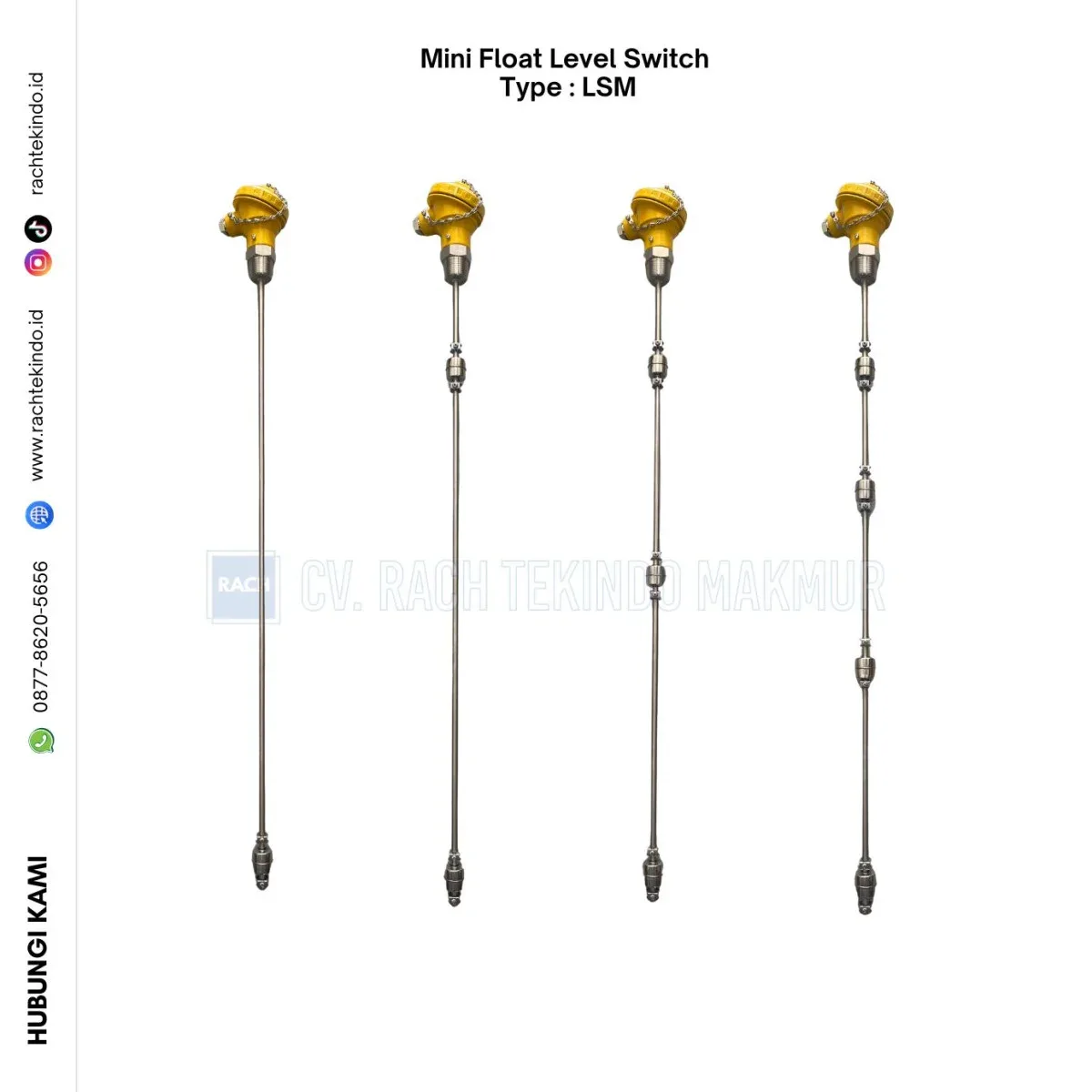
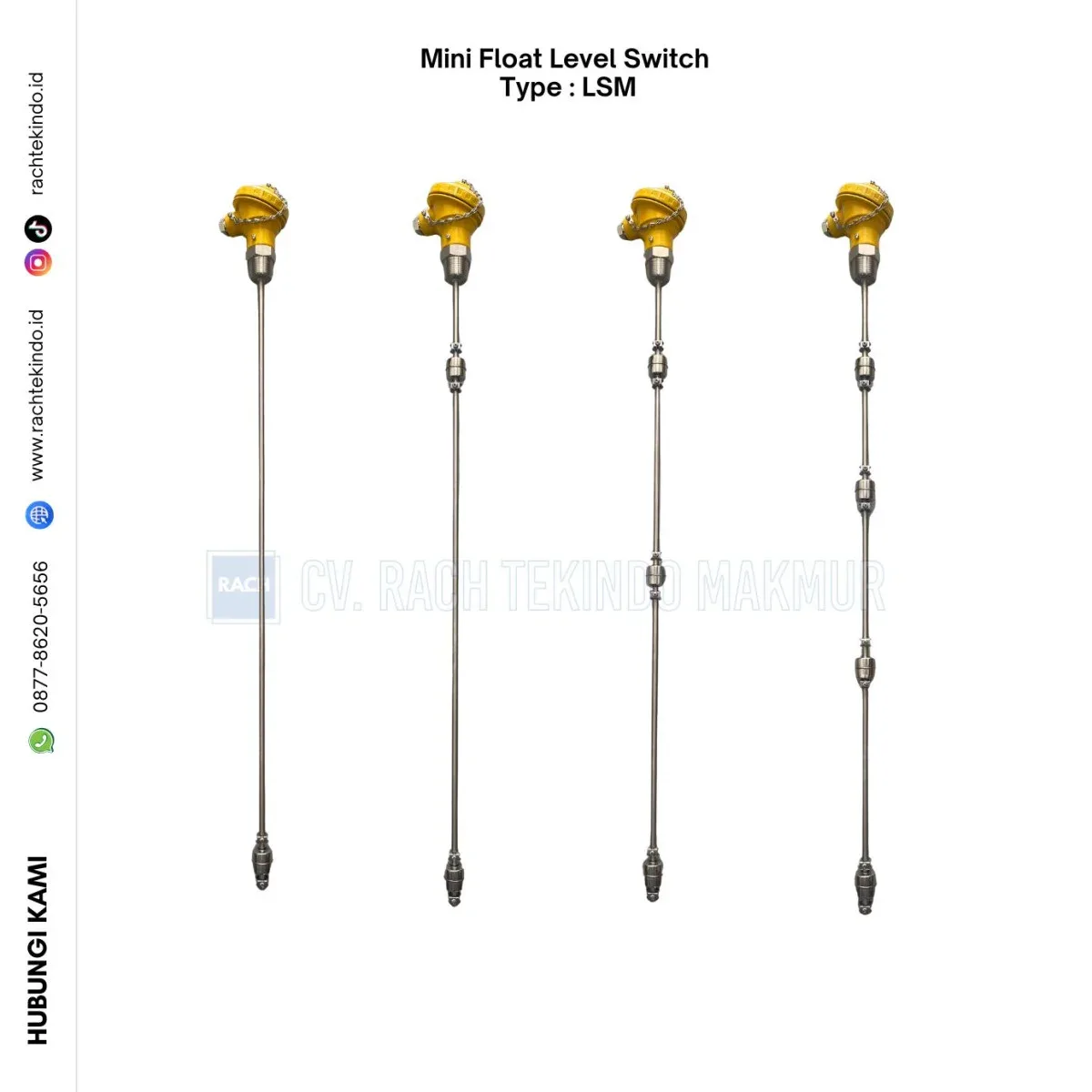
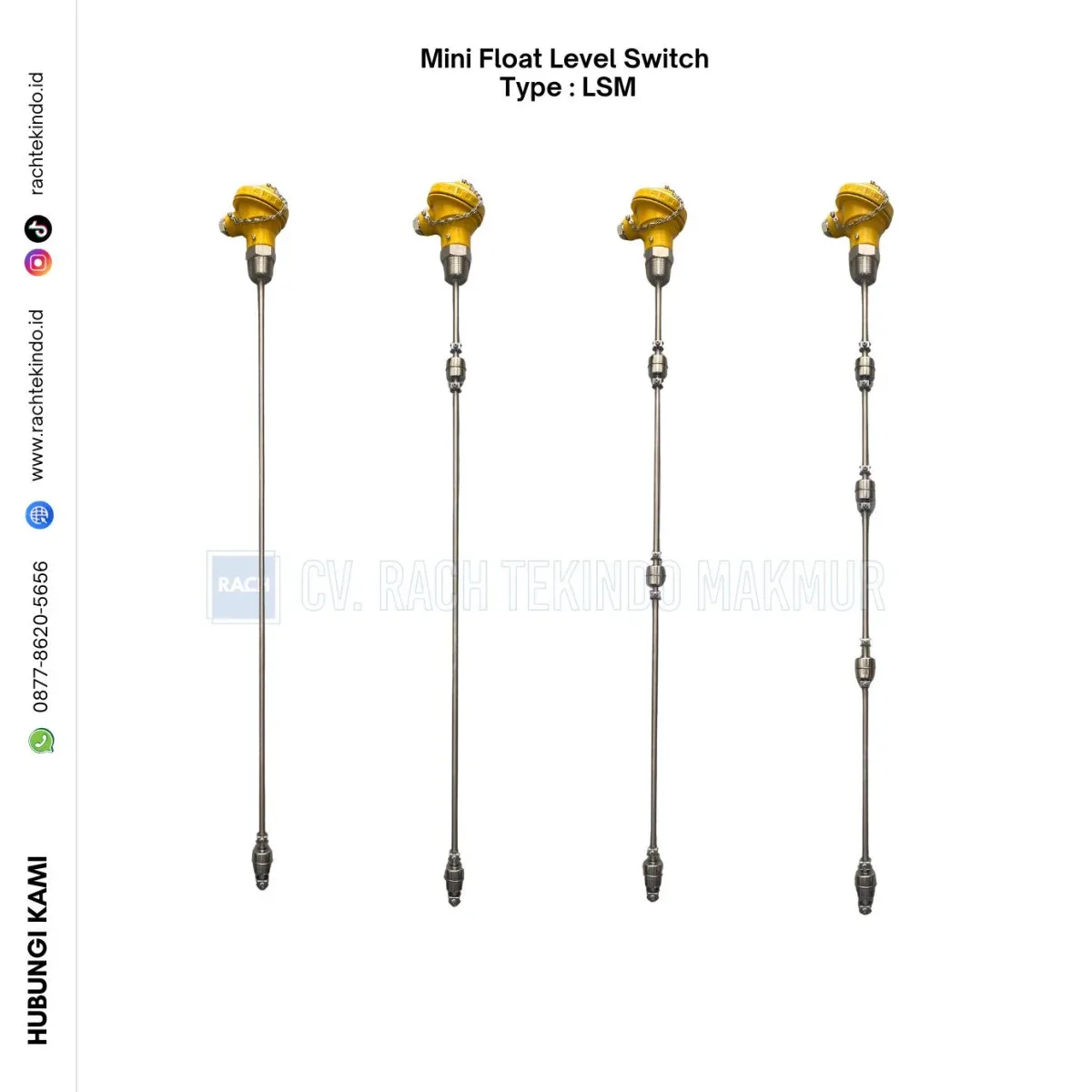
Changes in tank liquid level often require a timely operating response. A falling level may indicate that the supply needs replenishment, while a rising level may require filling to stop. The Mini Float Level Switch LSM can provide a signal at a defined threshold so the control system or operator can respond to the condition.
One application is low level detection in a holding tank. The instrument contact changes state when the liquid passes the specified detection point. This signal can activate an indicator, an alarm, or a notification on a control panel. It gives the operator an opportunity to respond before the available liquid decreases further.
Where a tank supplies a pump, the low level signal can also serve as an interlock input. The control circuit may be designed to stop the pump when the liquid falls to a selected limit. This can help reduce the risk of operating with an insufficient supply, although its effectiveness depends on the complete system design and the location of the detection point.
For upper level monitoring, the Mini Float Level Switch Type LSM can signal that the liquid has reached the intended filling limit. The signal may be used to stop filling through the control circuit or warn an operator. The sensor position should account for available space above the liquid and the equipment response after the signal is received.
If the application requires separate filling start and stop thresholds, this requirement needs to be addressed during design. The number of devices and the control logic should match the intended operating sequence. A single point level switch should not be assumed to provide two independent detection points without confirmation of the product configuration.
In water treatment equipment, the compact LSM can be considered for holding tanks and supporting vessels with limited installation space. Instrument dimensions also matter within packaged machinery or skid assemblies, where sensors share space with piping, valves, and other components. The selected location should provide both float clearance and access for inspection.
Oil and chemical applications require a review of the liquid properties. Density affects the float's ability to follow the liquid surface, while deposits or adhering material may interfere with movement. The choice between stainless steel 304 and stainless steel 316L must also reflect chemical compatibility and operating temperature.
The Mini Float Level Switch LSM uses an SPST contact output. This can connect to a suitable receiving circuit, but it does not mean the contact can directly switch every pump or electrical load. Motor loads and other connected equipment must be checked against the contact limits. An interposing relay or contactor may be required by the electrical design.
Periodic inspection remains appropriate even with a relatively simple mechanism. Functional checks can confirm that the float moves freely and the contact changes state as intended. Inspection intervals should reflect the liquid conditions, potential for deposits, and importance of the alarm or control function.
CV. Rach Tekindo Makmur supplies the Mini Float Level Switch LSM for industrial point level detection applications. For tank alarms, low level monitoring, or pump control inputs, contact the team via WhatsApp at +62 818-0809-2000 to discuss the technical requirements and request a quotation for the required configuration.
This article has been viewed 1 times.